What does gadfly mean?
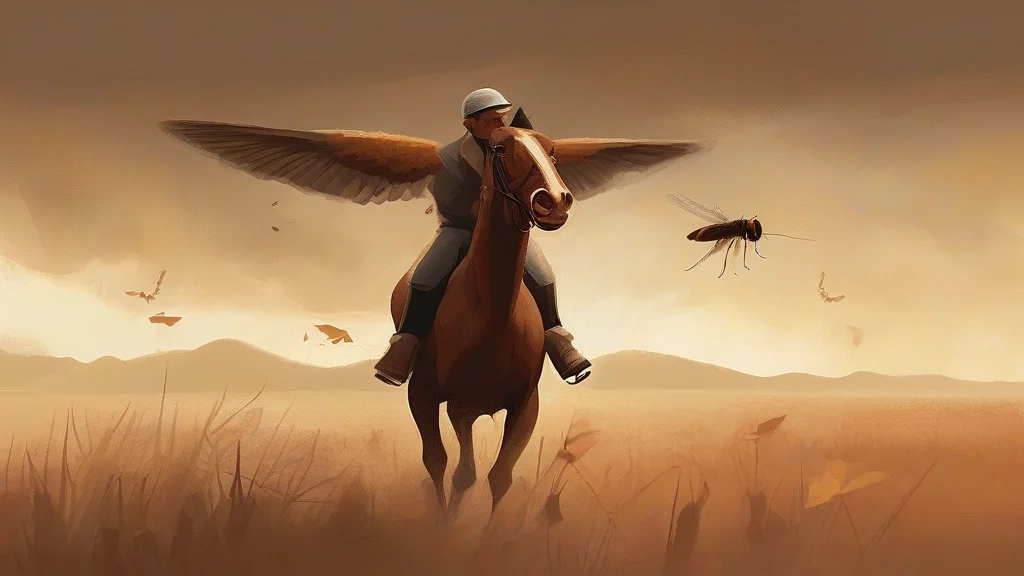
A gadfly is, literally, any of several large flies whose painful bite torments horses and cattle, sending them darting about in distress. But the word has long since taken on a second life in human affairs. A gadfly in the figurative sense is a persistent, irritating critic who needles individuals, institutions, or governments — not out of mere malice, but to provoke thought, expose complacency, and spur reform. The classic model is Socrates, who described himself as the gadfly of Athens, stinging the sluggish state into wakefulness. Today the label attaches to muckraking journalists, contrarian columnists, activist shareholders, and relentless questioners at public meetings. The connotation is double-edged: gadflies are undeniably annoying, yet they are often granted a certain respect because their pestering serves a genuine public good. The figurative sense now dominates modern usage, while the original insect meaning survives mainly in farming and entomological contexts.
nounA gadfly is a large, fast-flying fly that bites or wounds livestock, especially horses and cattle. Figuratively, it is a person who persistently provokes, criticizes, or challenges others—especially those in positions of power—in order to stimulate change or action.
- A biting fly that torments livestock, especially horses and cattle.
- A person who persistently annoys or provokes others, especially authority figures or institutions, in order to prompt reform or critical thought.
"The young senator became the gadfly of the establishment, relentlessly questioning every entrenched practice."
"The cattle swished their tails constantly, trying to drive off the gadflies."
"As the newspaper's resident gadfly, she never let the city council off the hook."
Standard plural following the regular y-to-ies rule for words ending in -fly.
"The herd stampeded across the field, pursued by a swarm of gadflies."
Socrates called himself the 'gadfly of Athens' — stinging the state into self-awareness — and the name stuck for every bold questioner since.
Reviewed by Deb Chak, Editor. AI-assisted content curated by RJS Tech Solutions LLP.
Etymology of gadfly
The word combines 'gad', an old English term for a sharp spike or goad (from Old Norse), with 'fly' — so named because the insect's sting goads livestock into frantic movement. The compound dates from at least the early 17th century in its literal sense. The figurative sense grew naturally from this image: just as the fly prods cattle into motion, a human gadfly prods society into thought, a comparison famously embodied by Socrates in Plato's 'Apology'.
How gadfly is actually used
The figurative sense is now far more common than the literal entomological one. When applied to people, 'gadfly' usually carries a grudging respect: the gadfly is irritating by design, but often serves a valuable social purpose. It is a slightly literary or journalistic register word rather than everyday conversation.
Easily confused with gadfly
A horsefly is one specific type of biting fly; 'gadfly' is a broader term that can refer to several kinds of biting flies and is also used figuratively for an irritating provocateur.