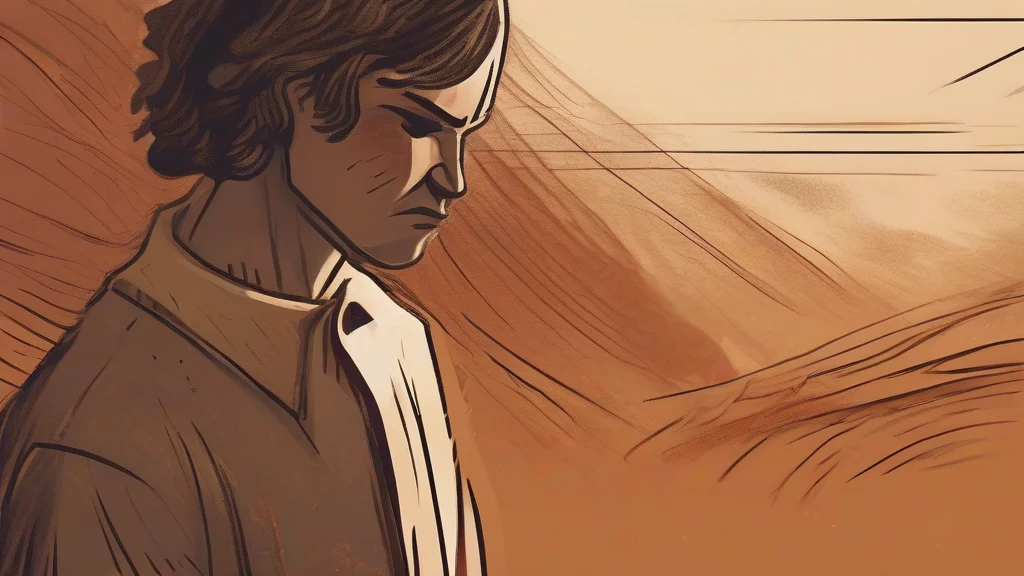
What does galled mean?
"Galled" is the past participle of the verb "gall", and it carries two related senses: a literal one and a figurative one. Literally, it describes skin that has been made raw, sore, or chafed by persistent rubbing — the fate of a sailor's palms after hauling ropes or a hiker's heels in ill-fitting boots. Figuratively, it describes a person who is inwardly exasperated or resentful, stung by an insult, injustice, or humiliation that continues to smart. This figurative use gives the word its lasting value: to say someone is "galled" suggests a slow-burning, festering irritation rather than a flash of anger. Both senses trace back to the same idea — painful abrasion, whether of skin or of pride. Though somewhat formal or literary today, the word remains useful for expressing indignation with precision, and it appears in phrases such as "galled with rage" or "galled by the insult".
Made raw or sore by friction; or figuratively, made bitter with vexation or resentment.
"He was galled beyond endurance by their condescension."
Often functions as an adjective describing a state.
In a state of having been chafed raw or of deep, festering annoyance.
"Her hands were galled from gripping the rough oars."
The same word that describes a raw heel from a bad pair of boots also describes the sting of an insult — "galled" has been rubbing people the wrong way for centuries.
Reviewed by Deb Chak, Editor. AI-assisted content curated by RJS Tech Solutions LLP.
Etymology of galled
The word derives from the Middle English verb "gallen", meaning to chafe or fret, which itself came from Old French "galer" (to rejoice, later to scratch or chafe), ultimately connected to Germanic roots; some etymologists also link it to Latin "galla", an excrescence formed on oak trees (an oak-apple or gallnut). The figurative sense of emotional irritation developed from the physical sense of chafing. Related forms include "galling", used adjectivally to describe something that vexes or humiliates.
Related word forms
How galled is actually used
The physical sense appears mostly in contexts of friction on skin (ropes, boots, harnesses); the figurative sense — being galled by an affront — carries a tone of suppressed, festering resentment rather than open anger. The word is somewhat formal or literary in modern usage.
Easily confused with galled
"Galled" means chafed or bitterly annoyed, while "Gaul" relates to the ancient region of Gaul (modern France) — a common confusion arises from the similar sound but entirely different meaning.
"Gall" can also mean bile or bitterness (a noun), whereas "galled" specifically refers to being chafed or irritated.