What does gallet mean?
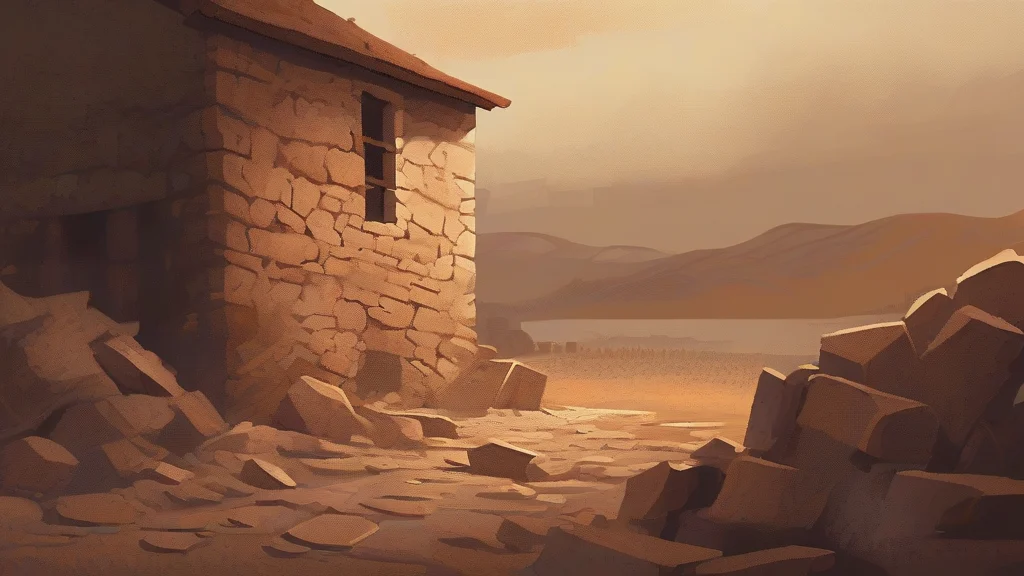
A gallet is a small splinter or chip of stone, flint, or brick that masons press into the mortar joints of rubble walls, a technique known as galleting. Though modest in size, gallets serve two purposes at once: they help consolidate and protect the vulnerable mortar from weathering, and they create a strikingly textured, speckled surface prized for its decorative effect. The practice is especially associated with traditional British building, appearing on medieval churches, cottages, and boundary walls in flint-bearing regions of southern and eastern England, where dark knapped flint contrasted with paler stone chips to produce rich patterns. Today the term survives chiefly among conservation architects, masons, and building historians, for whom identifying original galleting can reveal a structure's age, regional origin, and the craft traditions of its builders.
nounA small splinter or chip of stone, flint, or brick pressed into the mortar joints of rubble masonry both to fill gaps and as decorative embellishment. Also called a 'gallet' in the practice known as galleting or garreting.
- A small chip or splinter of stone or flint inserted into the mortar joints of rubble masonry for decoration and weatherproofing.
"The medieval church walls were studded with gallets of knapped flint, glinting like scattered gravel in the sunlight."
"The conservator carefully matched new gallets of local flint to repair the Victorian garden wall."
"Gallets of pale limestone peppered the dark rubble wall in a distinctive chequer-like pattern."
Standard regular plural.
"Thousands of gallets adorned the church tower's flint facade."
Medieval English masons turned humble stone chips into jewelry for walls — pressing tiny flint 'gallets' into mortar so buildings shimmered with texture.
Reviewed by Deb Chak, Editor. AI-assisted content curated by RJS Tech Solutions LLP.
Etymology of gallet
The word 'gallet' is recorded in English building vocabulary by at least the eighteenth century and is closely tied to the craft practice of galleting in southern English masonry. Its precise origin is uncertain, though it is often linked to French sources relating to small stones or gravel. Because it belongs to a specialist trade tradition rather than general literary use, its early documentation is sparse and its deeper derivation remains debated.
Related word forms
How gallet is actually used
A technical term of building conservation and masonry, largely confined to Britain where galleting is characteristic of flint and stone regions such as Norfolk, Sussex, and parts of Hampshire. Rarely encountered outside architectural contexts.
Easily confused with gallet
'Galleta' is a Spanish word meaning biscuit or cracker (and the name of a North American grass genus), whereas 'gallet' is an English masonry term for a small stone chip used in walling.