
What does garth mean?
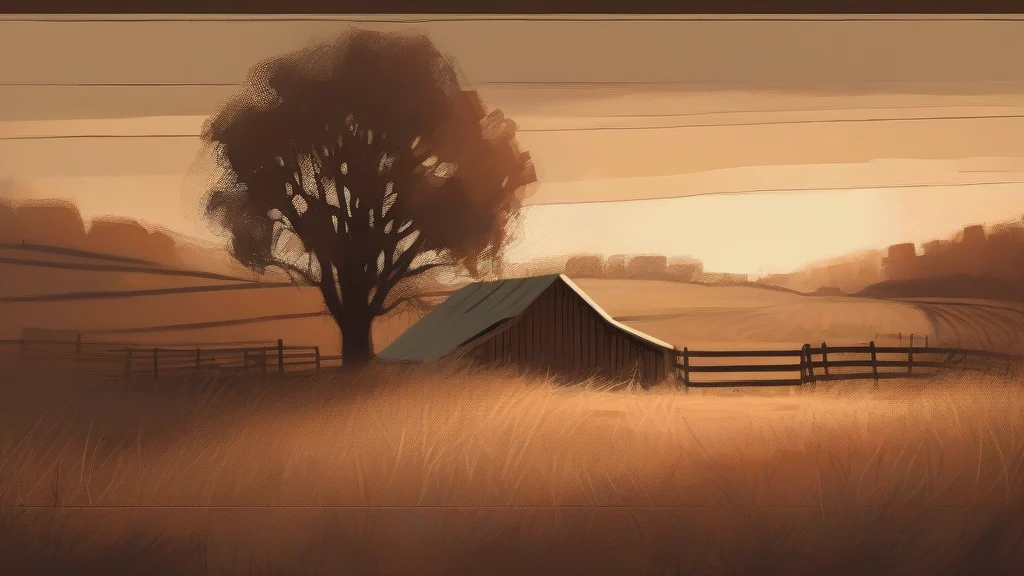
Garth is an old and chiefly dialectal English noun for an enclosed yard, courtyard, or garden. In its most familiar sense, it denotes the bounded space associated with a house or farm, often a place where work, animals, or people gathered. In some regional uses, especially in northern Britain, it means a garden or cultivated plot. Modern speakers are most likely to encounter the word in literature, historical writing, place-names, or descriptions of traditional rural architecture rather than in everyday conversation. Its pronunciation normally has the “g” of garden and the voiceless th of bath, although American pronunciation retains the r sound before the th. The term is useful because it preserves a distinctly local and historical layer of English vocabulary: it is more specific than the general word yard and more old-fashioned than garden. In a sentence such as “The children played in the garth,” the word immediately evokes an enclosed, often rural setting, giving the line a traditional or regional atmosphere without requiring explanation.
nounAn enclosed yard or courtyard, especially one adjoining a house. By extension, it can mean a garden, particularly in northern British usage.
- An enclosed yard or courtyard associated with a house or farm.
- A garden or cultivated plot, especially in northern British dialect.
"The horses were tethered in the garth behind the farmhouse."
"They waited for the horses in the garth."
"The old garth, shaded by apple trees, lay behind the farmhouse."
The regular plural form is rare in modern usage but follows the standard pluralization of the noun.
"The two garths were separated by a high stone wall."
Garth sounds like a place-name, but its original job was far more ordinary: naming the enclosed yard around a house.
Reviewed by Deb Chak, Editor. AI-assisted content curated by RJS Tech Solutions LLP.
Where does garth come from?
Garth comes from Middle English garte, developed from Old English gart, meaning an enclosure or yard. The word belonged to the same Germanic and Indo-European root as garden and related forms such as guard. Its relatives include Old Norse garðr and German Garten, both meaning an enclosure or garden.
How garth is actually used
Garth is now archaic, literary, or regional rather than part of standard contemporary British or American English. It often conveys a traditional rural setting and is especially associated with dialect speech in northern Britain and Ireland.
Easily confused with garth
A garth is an enclosed yard or garden, whereas a girth is the measurement around an object such as a horse or saddle.