
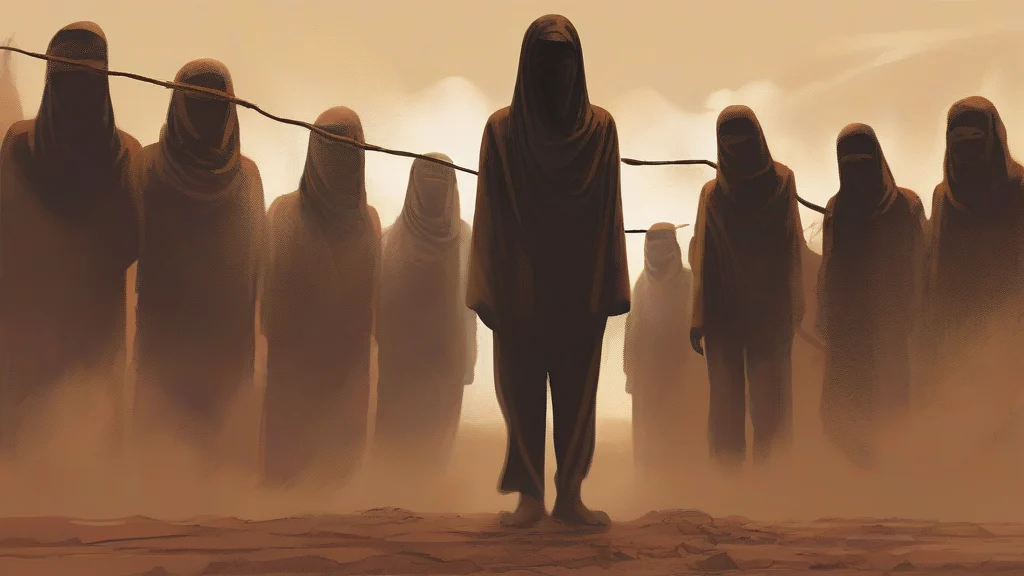
What does genocide mean?
Genocide denotes the deliberate and systematic destruction of a national, ethnic, racial, or religious group, or a substantial part of one. The word is especially associated with international law, where genocide has a precise definition in the 1948 Genocide Convention, but in general discussion it can refer more broadly to state or organized mass killing directed at a group. Its use carries an exceptionally grave moral and historical weight; it is not a neutral substitute for massacre or casualties. Genocide can describe an event, a policy, or the systematic character of violence against a population, and the word is often used when examining responsibility, denial, prevention, and legal accountability. Its history is recent: Raphael Lemkin coined it during the Second World War to name the destruction of groups. Understanding the term helps distinguish deliberate group annihilation from isolated killing, ethnic cleansing, and ordinary warfare, while recognizing that accusations of genocide are serious and should be supported by evidence.
nounThe deliberate and systematic destruction of a national, ethnic, racial, or religious group, or a substantial part of one. In international law, genocide is a precisely defined crime involving specific acts committed with the intent to destroy a protected group.
- The deliberate and systematic destruction of a national, ethnic, racial, or religious group, or a substantial part of one.
- A legally defined crime under international law involving specific acts committed with the intent to destroy a protected group.
"The tribunal found that the campaign constituted genocide and held those responsible accountable under the law."
"Historians and survivors have described the violence as genocide."
"The court concluded that the evidence established the crime of genocide."
Usually singular when referring to one systematic act or policy; plural for separate instances or occurrences.
"The museum's exhibition examines several genocides in the twentieth century."
Genocide was coined in 1944 to give a name to the systematic destruction of groups during the Second World War.
Reviewed by Deb Chak, Editor. AI-assisted content curated by RJS Tech Solutions LLP.
Where does genocide come from?
The word genocide was coined in 1944 by Raphael Lemkin, a Polish-Jewish legal scholar, while seeking a term for the mass destruction of national, ethnic, and religious groups. It combines the Greek genos, meaning “race,” “kind,” or “origin,” with the Latin-derived combining form -cide, meaning “killing,” as also seen in homicide. The Greek element in genos also connects with words such as gene, genetic, and eugenics, while the -cide element links the word to other terms concerning killing.
Related word forms
How genocide is actually used
This is a formal and highly serious term, not a neutral substitute for any large-scale killing. In legal and diplomatic contexts, it has a precise meaning concerning the systematic destruction of a protected group; in broader discussion, it may be used more generally, although such claims carry substantial factual and political weight.
Easily confused with genocide
Homicide is the unlawful killing of an individual, whereas genocide is the systematic destruction of a group or a substantial part of a group.