What does geode mean?
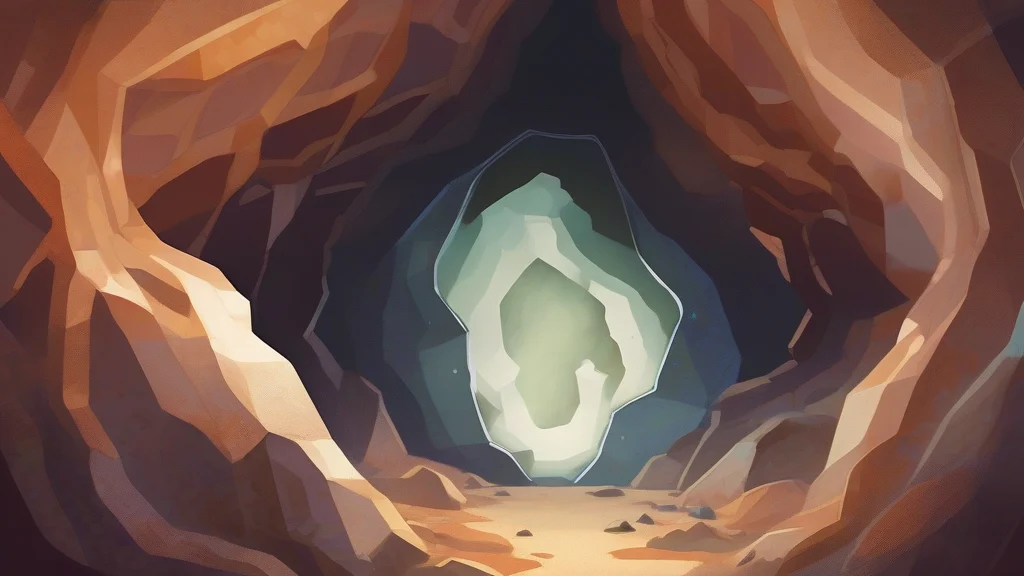
A geode is a type of rock formation that features a hollow cavity lined with crystals, often formed when a gas bubble in a rock is replaced by minerals from a solution. Geodes can be found in various types of rocks and are prized by collectors for their unique and often beautiful crystal formations. The term 'geode' is commonly used in geology and rockhounding contexts. Geodes can be cracked open to reveal their sparkling crystals, which can range in color and type depending on the minerals present. The study of geodes and their formation can provide valuable insights into geological processes.
nounA hollow, crystal-lined cavity, typically in a rock, that forms when a gas bubble is replaced by minerals from a solution.
- A hollow rock cavity lined with crystals.
- A type of rock formation that contains crystals.
"The geologist carefully cracked open the geode to reveal its sparkling crystals."
"The geode was filled with amethyst crystals."
"The rock collector prized the geode for its unique formation."
The plural form 'geodes' is used to refer to multiple geode formations.
"The rock collector had a collection of geodes from around the world."
Reviewed by Deb Chak, Editor. AI-assisted content curated by RJS Tech Solutions LLP.
Etymology of geode
The term 'geode' originates from the Greek word 'geōdes', meaning 'earth-like' or 'containing earth', which refers to the rock-like appearance of geodes. The word has been used in English since the 17th century to describe these unique rock formations.
How geode is actually used
Often used in geology and rockhounding contexts.