
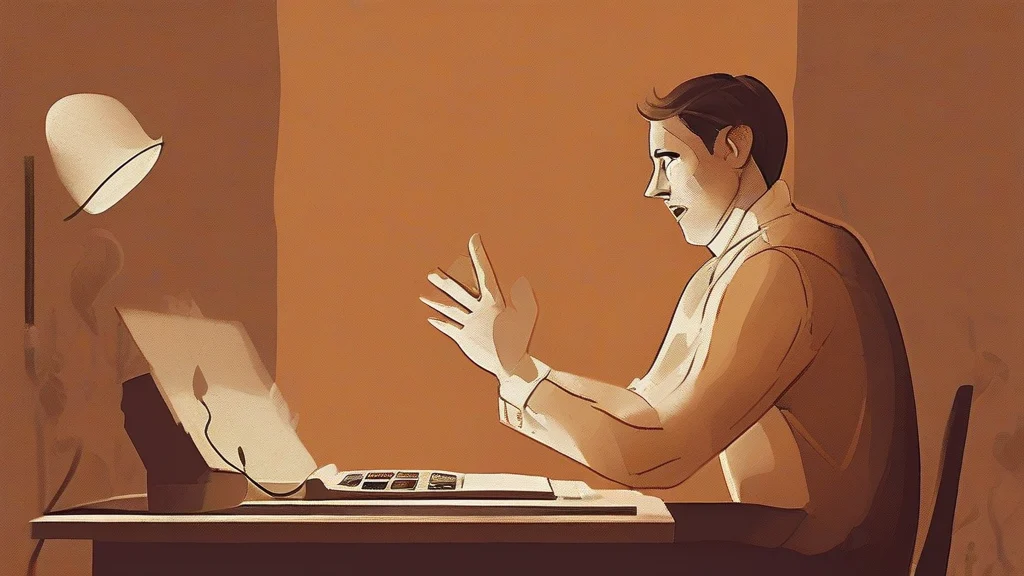
What does gesticulator mean?
A gesticulator is a person who communicates through expressive gestures, particularly movements of the hands and arms made while speaking. The term can describe an animated conversationalist, a performer who relies on physical expression, or, with a mildly critical tone, someone whose movements appear excessive. Gesticulation can reinforce language, convey emotion, or make a spoken message more vivid, although repetitive or broad gestures may also distract an audience. The word is especially associated with theatre and public speaking, where physical expression can be as important as the words themselves. It is related to gesture and gesticulate but identifies the person doing the gesturing rather than the action itself. Although not common in casual conversation, gesticulator offers a precise and expressive term for someone whose hands and body actively accompany their speech.
nounA person who gestures, especially with expressive hand and arm movements while speaking. In theatrical contexts, it may also refer to a performer who specializes in physical movement and gesture.
- A person who makes expressive or emphatic hand and arm movements, especially while speaking.
- A theatrical performer who specializes in communicating through physical movement and gesture.
"An enthusiastic gesticulator punctuated nearly every sentence with a sweep of the arms."
"The politician was a vigorous gesticulator, using both hands to emphasize each point."
"The young actor was an unusually expressive gesticulator onstage."
The standard plural is “gesticulators.”
"The audience could identify the characters partly by their distinctive gestures, making each gesticulator recognizable."
A gesticulator lets the hands finish the sentence.
Reviewed by Deb Chak, Editor. AI-assisted content curated by RJS Tech Solutions LLP.
Etymology of gesticulator
Gesticulator comes from Latin gesticulator, an agent noun meaning “one who gestures,” formed from gesticulari, “to gesture,” with the suffix -ator. Latin gesticulari was ultimately connected with gestus, meaning “gesture” or “posture.” English borrowed the word with its theatrical associations, and related English forms include gesture, gesticulate, gesticulation, and gestural.
Related word forms
How gesticulator is actually used
The word is more literary and descriptive than everyday vocabulary. It may sound neutral when referring to an animated speaker, but it can carry a mildly critical or humorous implication when someone's movements seem excessive or conspicuous.