
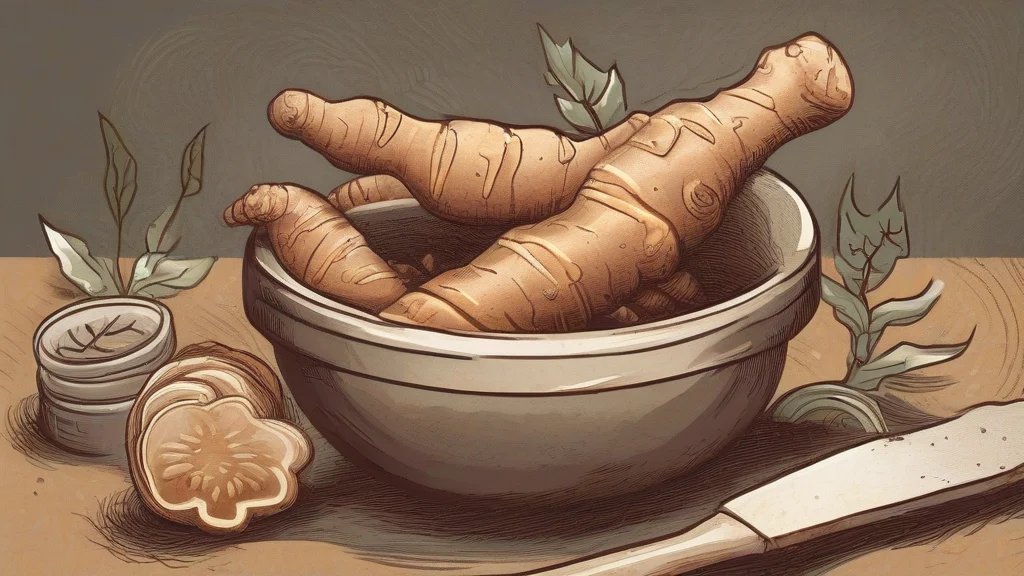
What does gingerroot mean?
Gingerroot is chiefly a North American name for the aromatic underground root or rhizome of Asarum canadense, the plant also called Canadian wild ginger. The same name can refer to the whole plant, which has heart-shaped leaves and grows in temperate woodland. Its underground parts have a warm, ginger-like aroma and flavor and have been used in traditional teas and as a spice, historically as an accessible substitute for imported true ginger. In contemporary English, however, gingerroot occurs more often in botanical, historical, and herbal contexts than in ordinary culinary or commercial contexts. It should not be confused with ginger, Zingiber officinale: the two plants belong to different families, and neither name is a general label for the other. Gingerroot is a useful example of how English plant names preserve sensory descriptions and local uses while also showing the need to distinguish common names from precise botanical identities. It remains a specialized term, especially familiar in parts of the United States and Canada.
nounGingerroot is the aromatic root or rhizome of Asarum canadense, a North American plant also called Canadian wild ginger; the term can also refer to the plant itself. Its underground parts have a ginger-like aroma and flavor and have been used in traditional teas and as a substitute for true ginger.
- The North American plant Asarum canadense, also called Canadian wild ginger.
- The aromatic root or rhizome of that plant, used in traditional teas and as a ginger-like spice.
"She steeped sliced gingerroot in boiling water to make a warming tea."
"She steeped sliced gingerroot in boiling water to make a warming tea."
"The field guide identifies the woodland plant as gingerroot, a North American member of the birthwort family."
The plural is used for individual plants; the root or rhizome is normally treated as an uncountable material noun.
"Several gingerroots grow in the shaded woodland."
Gingerroot wears ginger's name, but it belongs to a completely different plant family.
Reviewed by Deb Chak, Editor. AI-assisted content curated by RJS Tech Solutions LLP.
Where does gingerroot come from?
Gingerroot is an English compound of ginger and root, naming an underground part for its ginger-like quality. English ginger reached the language through Old French gingembre and Latin gingiber, ultimately from an Indic source. The compound therefore joins an old borrowed name for the rhizome known as ginger with the native English word “root,” without indicating a close botanical relationship to true ginger.
How gingerroot is actually used
The term is chiefly North American and is more common in botanical, historical, traditional, and herbal contexts than in general culinary language. Some speakers use “wild ginger” for other unrelated plants as well, so the botanical name may be needed for precision.
Easily confused with gingerroot
Ginger normally refers to Zingiber officinale and its rhizome, whereas gingerroot usually refers to Asarum canadense, a plant from a different family.