What does ginshop mean?
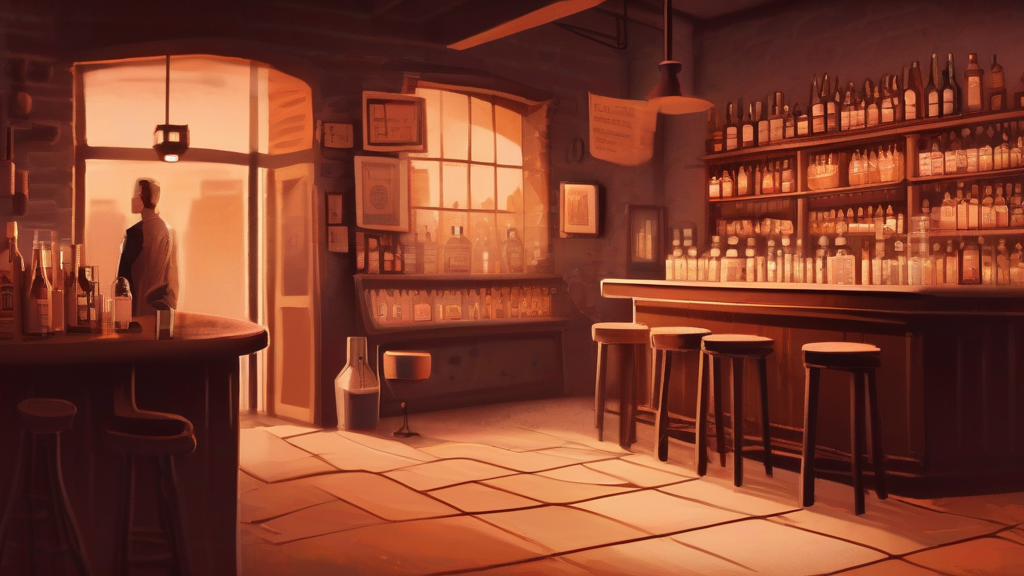
A ginshop is a type of establishment where gin is sold, often in a working-class area. Historically, ginshops were common in Britain, particularly in urban centers, and were often associated with poverty, crime, and social problems. The term is still used today to evoke a sense of a seedy or old-fashioned drinking establishment. Ginshops were typically small, unlicensed premises that sold gin and other spirits, often in a rough or unsavory environment. The word ginshop is useful for writers and historians looking to add authenticity to their depictions of working-class life in the 18th and 19th centuries.
nounA shop or establishment where gin is sold, often in a working-class area.
- A place where gin is sold
- A working-class establishment
"The old ginshop on the corner was a familiar landmark in the neighborhood."
"The ginshop was a popular gathering spot for locals."
"The area was known for its many ginshops and rough clientele."
The plural form is used when referring to multiple establishments.
"The area was known for its many ginshops and rough clientele."
Reviewed by Deb Chak, Editor. AI-assisted content curated by RJS Tech Solutions LLP.
Etymology of ginshop
The word ginshop is derived from the combination of 'gin', a type of spirit, and 'shop', a place of business. The term has been in use since at least the 18th century, when gin was a popular and widely available spirit in Britain. Ginshops were often associated with the social problems of the time, including poverty, crime, and public disorder.
How ginshop is actually used
Often used in historical or literary contexts to evoke a sense of a working-class or seedy environment.