
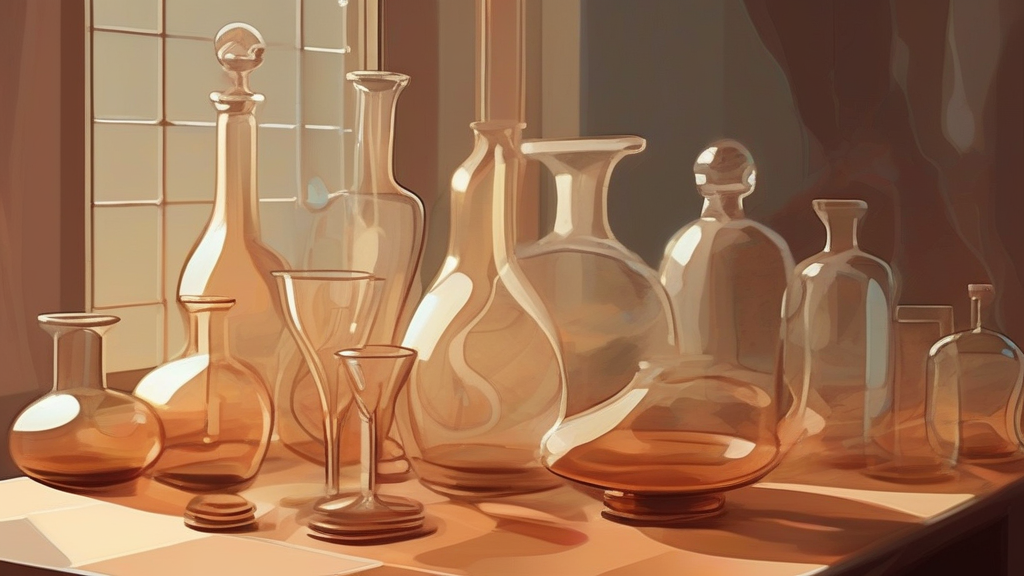
What does glasswork mean?
Glasswork denotes objects, panels, and decorative features made from glass, as well as the skilled craft of shaping, joining, or otherwise working the material. The term is especially associated with stained and leaded windows, vessels, jewelry, sculpture, and architectural decoration, but it also covers functional pieces such as laboratory or domestic glass. When referring to a finished artistic category or the activity itself, “glasswork” is normally a mass noun: one may admire fine glasswork or study traditional glasswork without treating it as a countable object. A countable individual item would usually be called a piece of glasswork, while glassware emphasizes the range of objects and glazing often refers to glass fitted into a window or door. In artistic and heritage contexts, glasswork can suggest craftsmanship, technical skill, and the visual effects of transparency, reflection, and colour. It is useful as a broad word for discussing both the material's working processes and the artistic results of those processes.
nounThe craft of making or working with glass, or the artistic, decorative, and functional objects produced by doing so. The term commonly refers to stained or leaded windows, vessels, sculpture, jewelry, and architectural features.
- Finished artistic, decorative, or functional objects made from glass, such as windows, vessels, sculpture, or jewelry.
- The skilled craft or activity of making and working with glass.
"The soft colours in the chapel's glasswork are most striking in the late-afternoon light."
"The museum's collection includes delicate glasswork from nineteenth-century Europe."
"She spent the summer learning traditional glasswork in a stained-glass studio."
Although glasswork is usually uncountable, glassworks is an established plural for separate pieces of glasswork. It can also refer to a glass-making establishment, so context determines the intended meaning.
"The gallery displayed several fine glassworks from the Art Nouveau period."
From the dazzling windows of Gothic cathedrals to tiny scientific lenses, glasswork has made both beauty and measurement visible.
Reviewed by Deb Chak, Editor. AI-assisted content curated by RJS Tech Solutions LLP.
Etymology of glasswork
Glasswork is an English compound formed from glass and work. Glass comes from Old English glæs, inherited from Proto-Germanic *glaz, while work comes from Old English weorc. The compound has long referred both to objects made from glass and to the activity of working glass; related forms include glassware, glassmaking, and glassworker, while glaze is a closer cognate through the same Germanic root.
Related word forms
How glasswork is actually used
Glasswork is generally a mass noun when referring to the material, artistic output, or activity. It is neutral in register and is used in Britain and the United States without a major regional distinction.
Easily confused with glasswork
Glasswork usually denotes the material, finished pieces, or craft, whereas glassworks can denote separate pieces of glasswork or a glass-making establishment.