
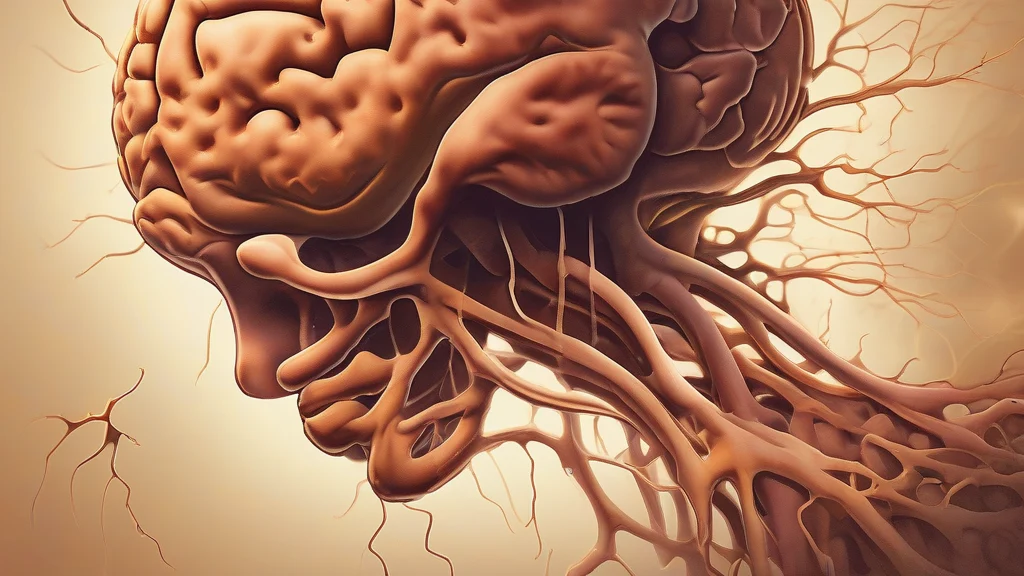
What does glia mean?
Glia is the plural noun for the supporting cells of the nervous system. These cells form an essential part of the brain, spinal cord, and nerves, providing structural support, supplying nutrients, maintaining the chemical environment around neurons, and helping defend nervous tissue from injury and infection. The term is most common in biology, medicine, and neuroscience, where it can refer to the glial cells collectively or to the tissue they form. Glia are not a single uniform type of cell: in the central nervous system they include astrocytes, oligodendrocytes, and microglia, each with distinct roles. The related adjective “glial” is widely used in expressions such as “glial cells,” “glial tissue,” and “glial scar.” Although neurons are often treated as the most famous cells in the brain, glia perform many of the functions that make nervous-system activity possible. The word comes from Greek for “glue,” reflecting the long-observed idea that these cells bind nervous tissue together.
nounGlia are the non-neuronal cells of the nervous system, which support, protect, and nourish neurons. The term may also refer collectively to these cells or to the tissue they form.
- The glial cells of the nervous system collectively, especially as supporting, protective, and nourishing tissue.
"Researchers are studying how activated glia contribute to inflammation in the brain."
"The glia surrounding damaged neurons can form a protective scar."
"In mammals, glia also help regulate the chemical environment in which neurons communicate."
Glia is itself conventionally plural; there is no common regular singular form, and “glial cell” is normally used for an individual cell.
"The glia in the damaged region formed a scar around the injured nerve fibers."
Your brain’sglia outnumber its neurons by roughly ten to one, quietly doing the essential work of keeping nerve cells alive and organized.
Reviewed by Deb Chak, Editor. AI-assisted content curated by RJS Tech Solutions LLP.
Where does glia come from?
The English word glia comes through New Latin from Greek glía, meaning “glue.” The comparison reflects the traditional view of glia as the material that holds nervous tissue together. It is related to words including glue, glutinous, agglutinate, and conglutinate, all of which derive from the broader Latin and Greek vocabulary associated with glutinous or sticky substances.
Related word forms
How glia is actually used
Glia is conventionally a plural noun and is usually used with a plural verb. In formal scientific writing, “glial cells” is often preferred when referring to individual cells, while “glia” commonly refers to the cells collectively.