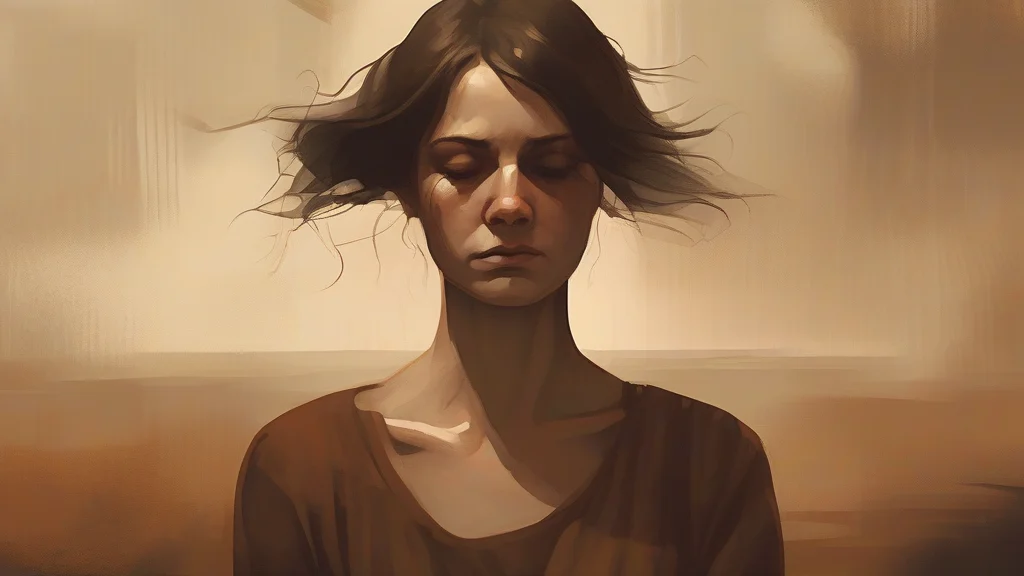
What does glumness mean?
Glumness refers to a state of partial or total darkness, often accompanied by a feeling of melancholy or sullenness. This noun can describe both physical environments, such as a dimly lit room or a cloudy day, and emotional states, including introspection or sadness. The term is frequently used in literature to evoke a somber or reflective mood. Glumness is related to words like gloom and sullenness, and it is often used interchangeably with these terms. Understanding glumness can help in interpreting literary works and in describing certain atmospheric conditions or emotional states.
nounA state of partial or total darkness, gloominess, or sullenness. It can also refer to a feeling of melancholy or sullen mood.
- A state of partial or total darkness
- A feeling of melancholy or sullen mood
"The glumness of the cave made it difficult to see anything."
"The room was filled with glumness after the news broke."
"Her glumness was palpable as she walked through the abandoned house."
Reviewed by Deb Chak, Editor. AI-assisted content curated by RJS Tech Solutions LLP.
Etymology of glumness
The word glumness has its roots in the adjective glum, which originated in the late 19th century. Glum is derived from the Scottish and Northern English word gloam, meaning 'twilight' or 'partial darkness'. Over time, glumness emerged as a noun describing the state of being glum, encompassing both physical darkness and emotional melancholy.
How glumness is actually used
Glumness often carries a connotation of being somewhat introspective or melancholic. It is commonly used in literary contexts to set a somber tone.