
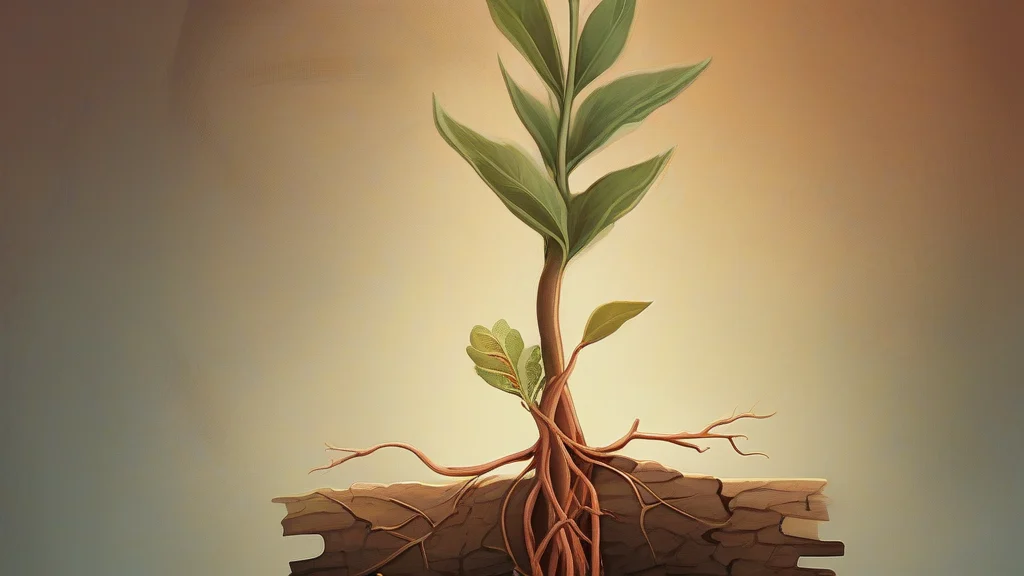
What does grafting mean?
Grafting most commonly denotes the horticultural practice of joining one part of a plant to another so that they unite and grow as a single plant. The same process describes certain medical techniques, particularly the transplantation of skin, and the word can also mean adding material to a larger structure. In political language, grafting is sharply critical: it refers to obtaining an improper advantage, often through bribery or the misuse of official authority. The verb form follows a pattern in which an active process is expressed with “-ing,” as in “grafting tissue” or “grafting new ideas onto an old system.” Its history makes the range of meanings particularly memorable. The original word referred to a branch or twig and developed through the practical art of joining plant material. A figurative extension based on making one thing adhere to another was followed by the modern political sense of corruption. Thus, a single word can move convincingly between horticulture, medicine, social commentary, and political accusation.
The act or process of joining one part of a living organism to another, especially in horticulture or surgery. It can also refer to gaining an illicit advantage through bribery or corruption.
"Careful grafting can preserve the desirable qualities of a fruit variety while making the tree more resistant to disease."
The political sense is negative and commonly associated with bribery, corruption, and misuse of public office.
To join a living plant part or tissue to another so that they grow together; figuratively, to obtain an illicit advantage or to adapt and attach something to a larger body.
"The surgeon is grafting healthy skin onto the burned area."
The horticultural and medical uses are technical and generally neutral; figurative political uses are strongly disapproving.
Rarely pluralized in general use, because grafting is usually treated as a mass noun.
"The graftings were protected with wax until the new shoots had taken root."
From joining living plants to corrupting public life, grafting captures how one thing can take root on another.
Reviewed by Deb Chak, Editor. AI-assisted content curated by RJS Tech Solutions LLP.
Where does grafting come from?
The English word graft is a Middle English borrowing from Old Norse, where a cognate referred to a branch or twig and was associated with the joining of plant material. Its Germanic relatives include words for branches, twigs, and other woody growths. The horticultural sense developed from this physical idea of making one part adhere to another, while the figurative political sense arose much later and came to mean gaining advantage through corrupt influence.
Related word forms
How grafting is actually used
In horticulture and medicine, grafting is normally a neutral technical term. In political and organizational contexts, its figurative use is strongly negative and usually refers to corruption, bribery, or the abuse of public office.
Easily confused with grafting
Grafting means joining one living part to another, whereas a grating is a framework of bars or a harsh, rasping sound.
Grafting is the act of joining or transplanting tissue or plant material, while rafting is the activity of travelling on a raft.