
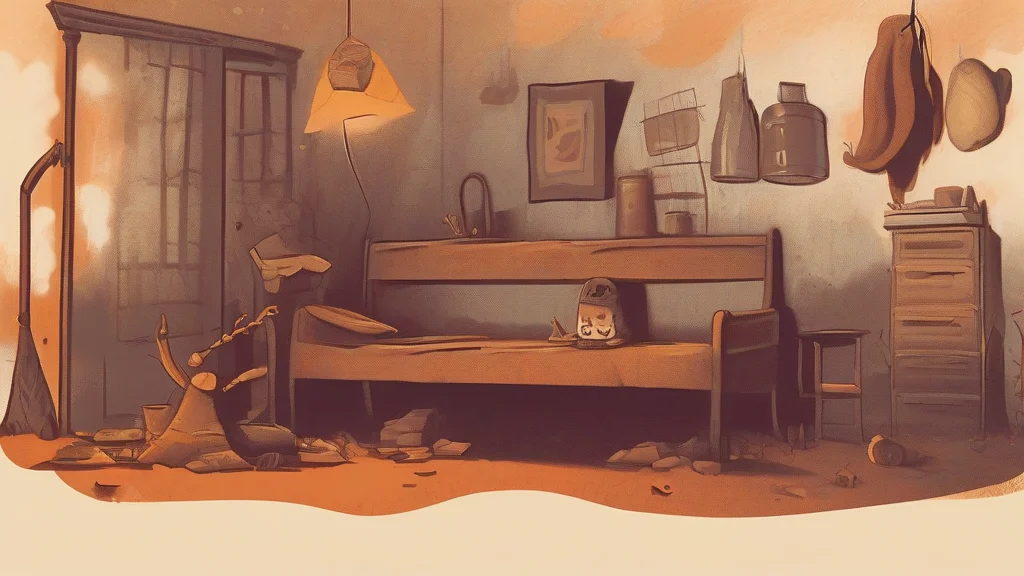
What does grubbiest mean?
Grubbiest is the superlative of grubby and means the dirtiest, most shabby, or most unkempt. It is especially useful when comparing people, places, clothes, furniture, or rooms and one candidate is noticeably worse in cleanliness or upkeep than the others. The word combines the literal sense of being dirty with the broader sense of looking neglected, worn, or poorly maintained. It is often mildly humorous or disparaging, so writers generally reserve it for informal descriptions rather than formal reports. “The grubbiest corner of the kitchen” suggests accumulated clutter and grime, while “the grubbiest sweater in the drawer” conveys shabbiness and a lack of care. Because it is a transparent superlative, grubbiest gives vivid emphasis without requiring an explicit comparison phrase. It is also a useful reminder that plain English can turn a simple adjective into a characterful, memorable judgment.
adjectiveThe superlative of grubby: extremely dirty, unkempt, shabby, or poorly maintained.
- Extremely dirty, unkempt, shabby, or poorly maintained.
"They cleaned the kitchen until it no longer looked like the grubbiest room in the house."
"The children came indoors wearing the grubbiest clothes in the school."
"We checked every inn along the route, but this one had the grubbiest rooms."
From grubby to grubbiest: English turns everyday untidiness into a verdict on the ultimate dirt-clutter champion.
Reviewed by Deb Chak, Editor. AI-assisted content curated by RJS Tech Solutions LLP.
Where does grubbiest come from?
Grubbiest is an English form derived from the adjective grubby, which was formed from grub with the suffix -y; the deeper origin of grub is uncertain. English forms the comparative as grubbier and the superlative as grubbiest. Related forms such as grubbily and grubbiness preserve the same adjective base.
Related word forms
How grubbiest is actually used
Informal to mildly derogatory, especially when describing a person or place. The superlative gives a strong but usually humorous judgment and is common in speech and informal writing.