
What does guidon mean?
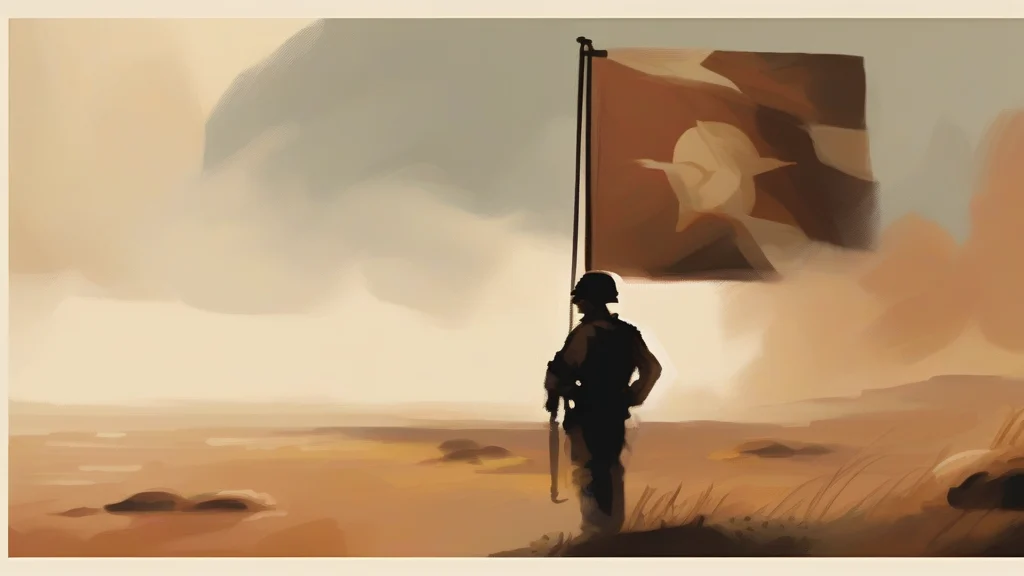
A guidon is a flag or standard that identifies a military unit and helps guide or represent its members. The term has traditionally been used for cavalry standards and for small ceremonial or organizational flags carried at the head of a formation, particularly by British and American units. A guidon is distinct from an ordinary flag because of this established military function: it embodies the identity and authority of the unit rather than simply marking a location. Figuratively, the word can refer to a banner or rallying standard representing a group, cause, or leader. Today, guidon occurs mainly in historical, ceremonial, heraldic, and genealogical contexts, including accounts of regimental traditions and military processions. Its unusual sound and its connection with the history of mounted warfare make it especially memorable. The word ultimately belongs to a family associated with guiding: just as troops follow a guidon, people may follow a guide or direction.
nounA guidon is a flag or military standard used to guide and identify troops, especially a cavalry unit's flag or a small streamer carried by an infantry unit. By extension, it can refer to an emblematic banner or rallying standard.
- A military flag or streamer carried to guide troops and identify a unit, especially a cavalry standard or the organizational flag of an infantry unit.
- A banner or standard serving as an emblem of a group, cause, or authority.
"The colour sergeant carried the unit's guidon at the head of the formation."
"The sergeant carried the company's guidon during the ceremonial parade."
"The colourful guidon at the head of the procession represented the regiment's long history."
The regular plural is guidons, though the word is normally encountered in historical or ceremonial descriptions rather than in ordinary conversation.
"The museum preserves the guidons of several historic military units."
Long before digital maps, a guidon told soldiers where their unit was—and what it stood for.
Reviewed by Deb Chak, Editor. AI-assisted content curated by RJS Tech Solutions LLP.
Where does guidon come from?
English borrowed guidon from French guidon, a military flag originally associated with a guiding or rallying standard. The French word belongs to the same Indo-European etymological family as guide and is related to Latin forms meaning to guide or lead. Over time, the term came to denote the identifying flag of a military formation, especially cavalry, before developing into a broader emblematic sense.
Related word forms
How guidon is actually used
The word is chiefly historical, ceremonial, or military rather than everyday. It has a formal and commemorative tone, especially when referring to the traditional flags carried by British or American military units.
Easily confused with guidon
A guidon is a military flag or standard, whereas a gudgeon is either a small freshwater fish or a pivoted metal fastening.