
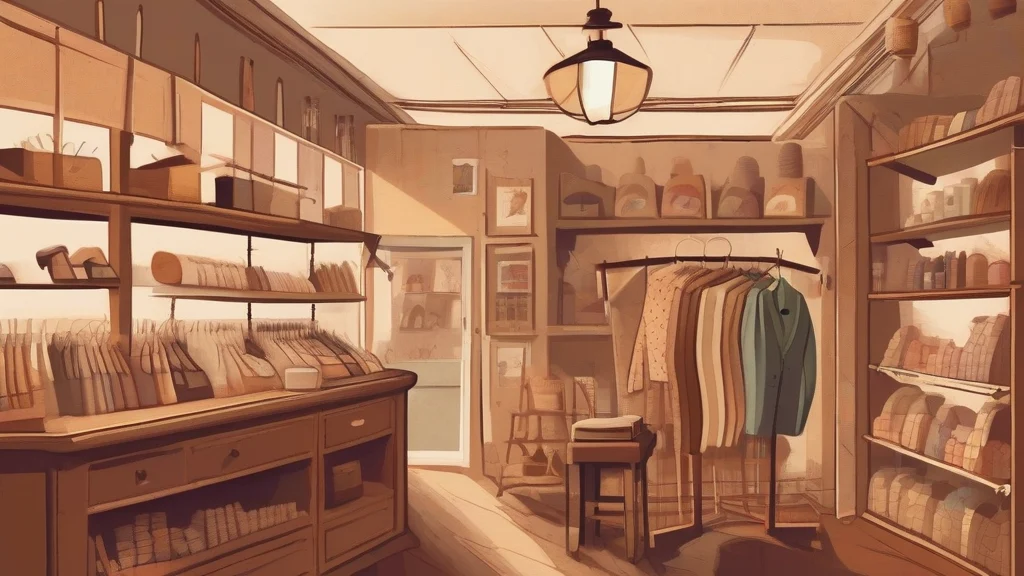
What does haberdashery mean?
Haberdashery is a traditional noun for small articles associated with clothing, sewing, and personal use. Its best-known sense covers goods such as buttons, ribbons, thread, needles, pins, fasteners, and similar items, which were traditionally sold by a haberdasher. It can also denote the shop or business where these goods are sold, especially in the expression “haberdashery shop.” The word is used in British and American English, although in modern British usage it may suggest a traditional neighborhood shop or an older style of retailing. In American English, the related word “notions” is often used for a similar range of small sewing and household supplies. Haberdashery is useful today because it names a once-common retail category in an exact, elegant way and evokes the material culture of making and repairing clothes.
nounSmall articles of dress and personal use, such as buttons, ribbons, needles, thread, and other sewing supplies. In older usage and in the names of traditional shops, it can also mean a haberdasher's shop or the business of selling such goods.
- Articles of dress or personal use, especially small sewing supplies, buttons, ribbons, thread, and similar items.
- A shop or business that sells such articles.
"The village haberdashery sold ribbons, buttons, thread, and other sewing supplies."
"The charity shop raised money by selling donated haberdashery and small household goods."
"Her grandfather's haberdashery occupied the same premises for more than forty years."
The plural refers to multiple shops or businesses of this kind, or to separate collections of the goods.
"Several family-run haberdasheries once served the town."
Before online shopping, a haberdashery was the place for the tiny essentials that held an outfit together—from ribbons and buttons to needles and thread.
Reviewed by Deb Chak, Editor. AI-assisted content curated by RJS Tech Solutions LLP.
Where does haberdashery come from?
The word entered Middle English in the late fourteenth century in forms such as “haberdashere,” borrowed from Anglo-French and ultimately from French forms associated with a seller of small dress goods. It developed into a collective noun for the goods and was also used for the trade or shop concerned with selling them. The deeper origin of the French word is uncertain, so proposed connections with particular words for cloaks or garment makers should be treated as hypotheses rather than established etymology.
How haberdashery is actually used
When referring to the merchandise, the word is normally used as a mass noun; when referring to the premises or business, it is countable. The word has a traditional or old-fashioned flavor in contemporary British English but remains readily understood and is still common in American English.
Easily confused with haberdashery
A haberdasher is a person or business that sells haberdashery, whereas haberdashery refers to the goods themselves or, sometimes, to the shop.