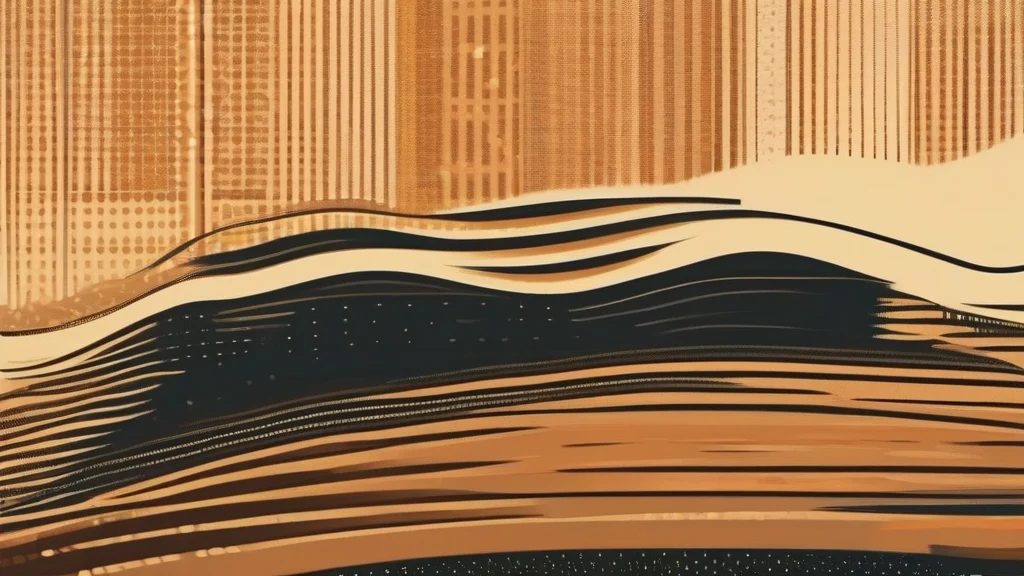
What does halftone mean?
A halftone is a type of image representation that uses small dots of varying sizes and spacing to produce a range of tones. This technique is commonly used in printing, particularly in newspapers and magazines, to create images with a range of shading and texture. The halftone process involves breaking down an image into tiny dots, which are then arranged to create the illusion of tone and texture. This technique has been widely used since the late 19th century and remains an important part of graphic design and printing today. The use of halftones allows for a wide range of tonal values to be achieved, making it a versatile and effective way to reproduce images.
nounA halftone is an image or a representation of an image that is created by breaking it down into small dots of varying sizes and spacing to produce a range of tones.
- A type of image representation
- A specific technique in printing
"The newspaper photograph was a halftone, made up of tiny dots that gave the impression of shading and texture."
"The halftone process allowed for mass production of images in newspapers."
"The artist used a halftone technique to create a range of tones in her print."
The plural form 'halftones' is used to refer to multiple images or representations created using the halftone technique.
"The magazine featured several halftones on its cover."
Reviewed by Deb Chak, Editor. AI-assisted content curated by RJS Tech Solutions LLP.
Etymology of halftone
The term 'halftone' originated in the late 19th century, when it referred to a specific technique in printing that used a combination of two or more tones to create a range of colors and shades. The word is derived from the words 'half' and 'tone', likely referring to the use of intermediate tones between black and white.
How halftone is actually used
The term 'halftone' is often used in the context of printing and graphic design.