What does haro mean?
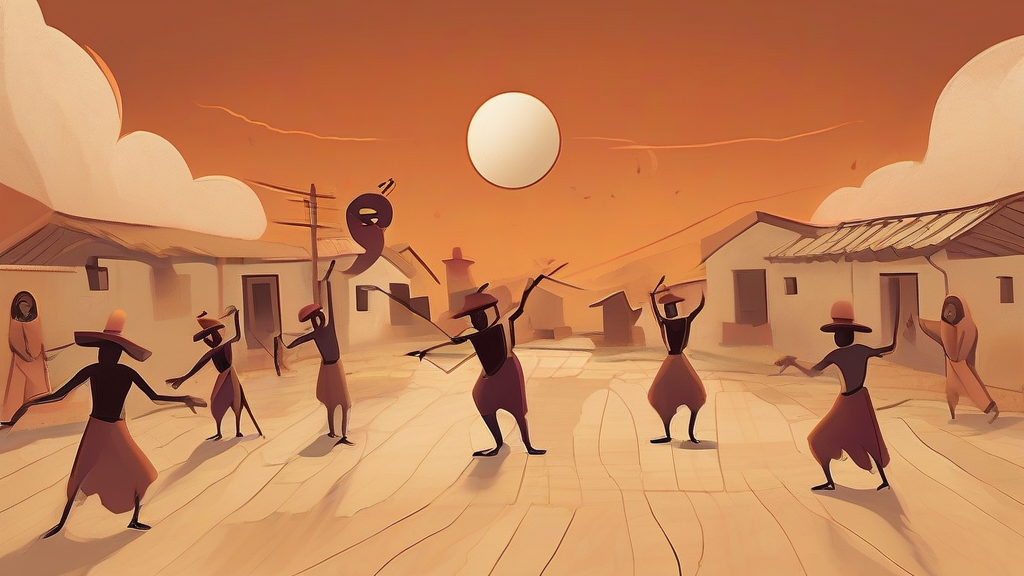
The haro is a traditional Peruvian music and dance style that is characterized by its lively rhythms and energetic movements. It is typically performed in a group setting, with multiple dancers and musicians working together to create a lively and energetic atmosphere. The haro is often associated with traditional Peruvian culture and is a popular choice for festivals and celebrations. It is a unique and captivating style of music and dance that is worth experiencing. The haro has a rich history and cultural significance in Peru, and it continues to be an important part of the country's cultural heritage. Its lively rhythms and energetic movements make it a popular choice for weddings and other celebrations.
A type of traditional Peruvian music and dance.
"The group's performance of the haro was a highlight of the festival."
The haro is typically performed in a group setting, with multiple dancers and musicians working together to create a lively and energetic atmosphere.
A lively and energetic style of music and dance.
"The haro dance is a popular choice for weddings and other celebrations."
The plural form 'haros' is used when referring to multiple haro performances or dancers.
"The group performed several haros during the festival."
Reviewed by Deb Chak, Editor. AI-assisted content curated by RJS Tech Solutions LLP.
Etymology of haro
The haro originated in Peru, where it has been a part of traditional culture for centuries. The word 'haro' is derived from the Quechua language, which was spoken by the Incas. The haro is closely related to other traditional Peruvian music and dance styles, such as the huayno and the jota.
How haro is actually used
The haro is typically performed in a group setting, with multiple dancers and musicians working together to create a lively and energetic atmosphere. It is often associated with traditional Peruvian culture and is a popular choice for festivals and celebrations.