
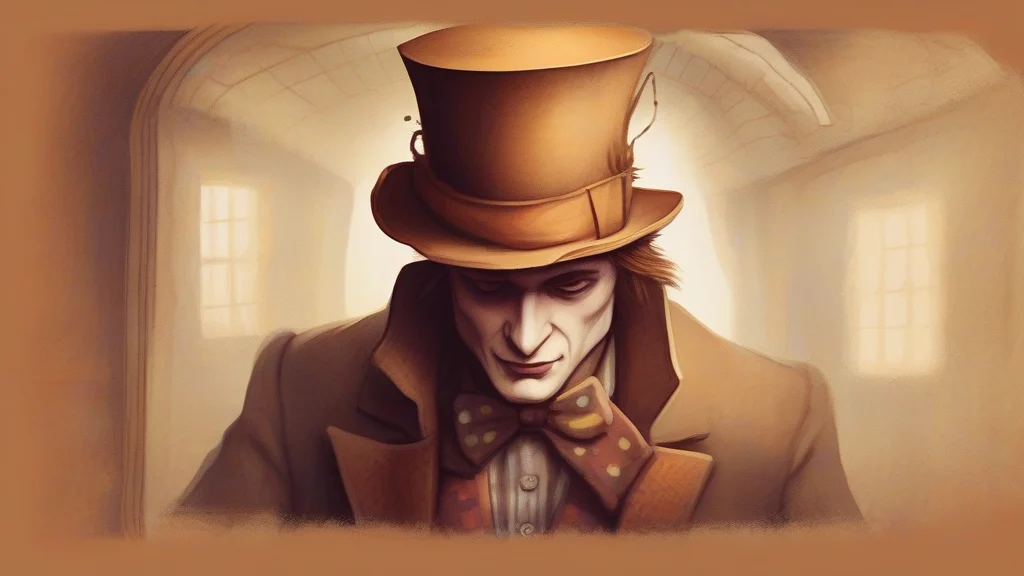
What does hatter mean?
Hatter is a noun whose traditional meaning is a person who makes or sells hats. The occupational sense comes from the modern English word hat and the suffix -er, which identifies the person doing or dealing with something. Although “hatter” may sound old-fashioned when used literally, it remains familiar through the expression “mad as a hatter,” meaning extremely eccentric, irrational, or seemingly crazy. The precise origin of that idiom is uncertain, but it has been established in ordinary English for well over a century and is now used mainly for humorous or exaggerated effect. The phrase does not ordinarily imply a medical condition or provide a literal description of a hat maker's behavior. In general writing, “hatter” is more likely to appear in the idiom than as a standalone occupational label. It is useful because it preserves the history of an old trade while also participating in one of English's most recognizable expressions for unconventional behavior.
nounA hatter is a person who makes, shapes, or sells hats. In the familiar expression “mad as a hatter,” the term denotes a person regarded as extremely eccentric or irrational.
- A person who makes, shapes, or sells hats.
- A person considered eccentric or irrational, especially in the expression “mad as a hatter.”
"The hatter carefully shaped the felt around the customer's head."
"The hatter measured the brim before trimming the felt by hand."
"The eccentric inventor was described by the newspapers as mad as a hatter."
The standard plural of the occupational noun.
"The hatters displayed handmade felt hats at the market."
The famous phrase “mad as a hatter” has turned an old occupational word into a lasting symbol of wild eccentricity.
Reviewed by Deb Chak, Editor. AI-assisted content curated by RJS Tech Solutions LLP.
Where does hatter come from?
Hatter is a Middle English formation from hat and the occupational suffix -er, originally denoting a maker or seller of hats. The English word hat descends from Old English hætt and belongs to a Germanic family that includes Dutch hoed and German Hut. The expression “mad as a hatter” developed later, and its precise historical explanation is uncertain, but the phrase became firmly established in the nineteenth century.
How hatter is actually used
The occupational sense is traditional and somewhat dated outside historical or craft contexts. “Mad as a hatter” is an informal, familiar idiom rather than a clinical description, and it is more commonly encountered than the noun used independently to mean an eccentric person.
Easily confused with hatter
A hatter makes or sells hats, whereas a hater is someone who dislikes or hates another person or thing.