
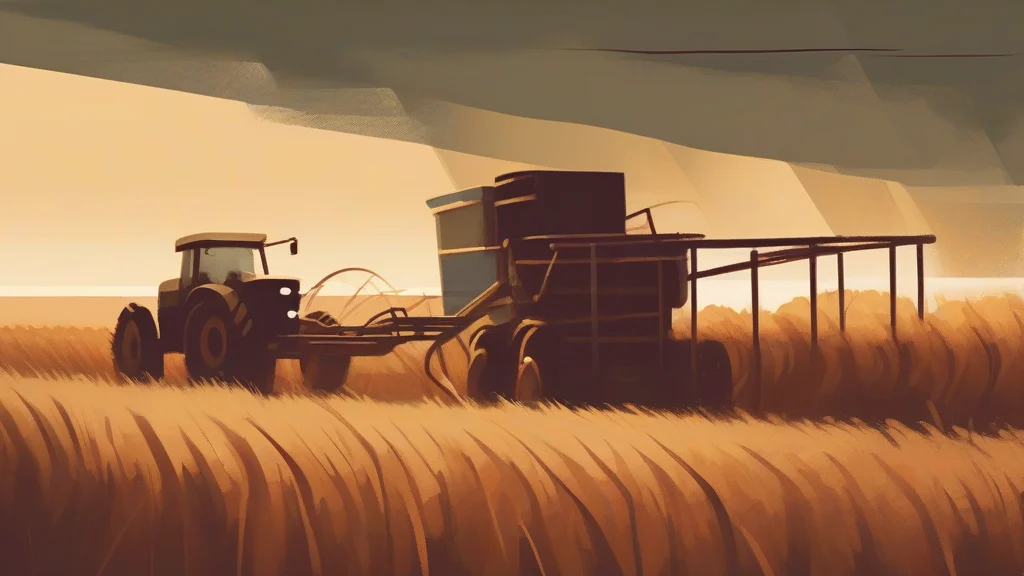
What does haymaking mean?
Haymaking is the process of turning grass or other fodder crops into hay, generally by cutting it, gathering it, allowing it to dry, and storing it for livestock. The term is closely associated with farming, seasonal country work, and the traditional agricultural calendar. It appears especially often in British English, but is also used in American English, particularly in historical, rural, or nostalgic contexts. Haymaking can refer to the broad agricultural activity or to a particular season's work, as in the expression “haymaking season.” Its familiar proverb, “make hay while the sun shines,” reflects the practical importance of harvesting and drying grass during warm, dry weather. Although modern machinery has transformed the work, the word remains useful because it names a recognizable rural process and carries strong cultural associations with summer, labor, weather, and the countryside.
nounThe activity or process of cutting, gathering, drying, and storing grass or other fodder crops as hay.
- The activity or process of making hay by cutting, gathering, drying, and storing grass or other fodder crops.
"The farmers began haymaking early, taking advantage of the warm, dry weather."
"Haymaking was interrupted by several days of heavy rain."
"The museum's photographs document haymaking and other forms of traditional rural labor."
Rare; the noun is normally used in the uncountable singular.
"The early haymakings of the season were completed before the storms arrived."
The advice to make hay while the sun shines comes from the traditional need to dry cut grass quickly before rain spoils it.
Reviewed by Deb Chak, Editor. AI-assisted content curated by RJS Tech Solutions LLP.
Where does haymaking come from?
Haymaking is an English compound formed from hay and making. Hay comes from Old English hǣg, meaning “grass” or “hay,” while making derives from make, which comes from Old English macan. The compound refers to the practice of harvesting and drying grass for use as animal feed.
How haymaking is actually used
Usually an agricultural term associated with traditional summer fieldwork. It is more common in British English, while American usage often has a historical or rural character. The noun is normally uncountable and can evoke nostalgia for traditional country life.