What does hele mean?
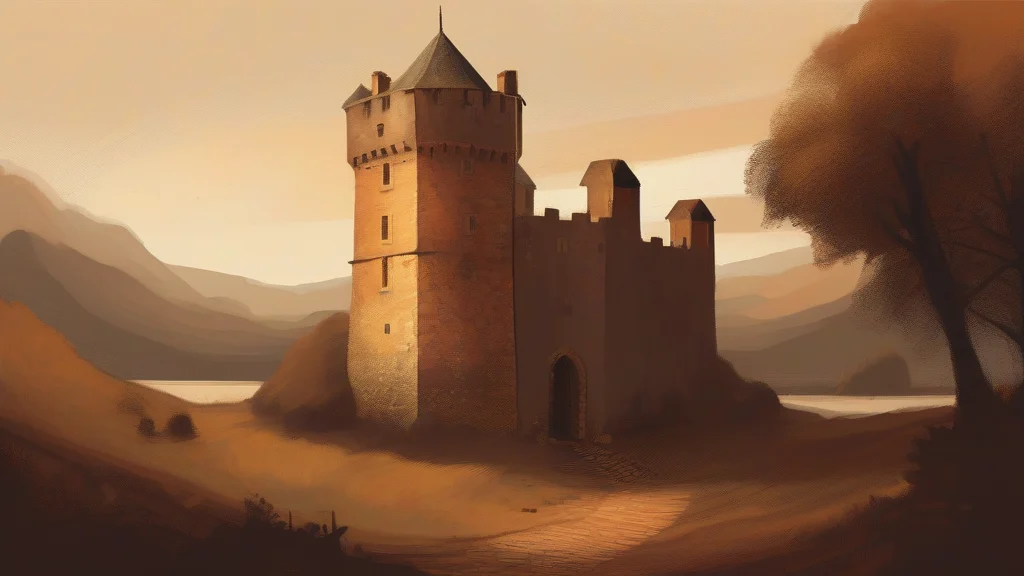
A hele is a type of ancient Scottish tower or fortified house, typically built in the 16th to 18th centuries. These structures were often used as residences for Scotland's nobility and were designed to provide protection and security. Heles are typically associated with Scotland's rural landscapes and are often found in remote areas. The term is often used interchangeably with 'tower house' or 'fortified house'. While there are many examples of heles throughout Scotland, they are relatively rare and are often preserved as historic sites. The study of heles provides valuable insights into Scotland's history and architecture, and they continue to fascinate visitors and historians alike. Heles are an important part of Scotland's cultural heritage and are worth learning more about.
nounA hele is a type of ancient Scottish tower or fortified house, typically built in the 16th to 18th centuries.
- A type of ancient Scottish tower or fortified house.
"The historic site featured a restored 17th-century hele, offering a glimpse into the lives of Scotland's medieval nobility."
"The historic site featured a restored 17th-century hele, offering a glimpse into the lives of Scotland's medieval nobility."
"The local historian specialized in the study of Scottish heles and their architectural significance."
Reviewed by Deb Chak, Editor. AI-assisted content curated by RJS Tech Solutions LLP.
Etymology of hele
The term 'hele' is derived from the Scots language, which was spoken in Scotland from the 14th to the 18th centuries. The Scots language is a Germanic language that is closely related to Old English and Old Norse. The term 'hele' is thought to have originated from the Old Norse word 'hálr', which means 'narrow' or 'tall'. Over time, the term 'hele' evolved to refer specifically to a type of ancient Scottish tower or fortified house.
How hele is actually used
Heles are typically associated with Scotland's rural landscapes and are often found in remote areas. The term is often used interchangeably with 'tower house' or 'fortified house'.