
What does hemoglobin mean?
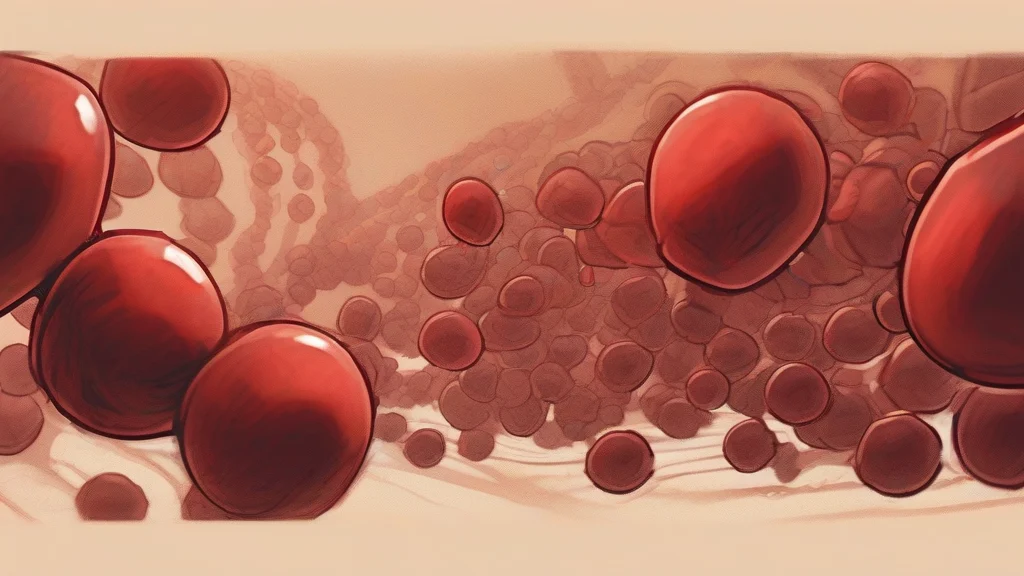
Hemoglobin is the oxygen-carrying protein in red blood cells. Each hemoglobin molecule contains iron-bearing heme groups that reversibly bind oxygen: oxygenated hemoglobin is bright red, while the form that has released oxygen is darker. This function allows blood to transport oxygen from the lungs to tissues and to help return carbon dioxide and hydrogen ions to the lungs. Hemoglobin also occurs in variants, including fetal hemoglobin and hemoglobin S, which have clinically important properties. In medicine, the amount of hemoglobin in blood is commonly measured as part of a complete blood count; low levels can indicate anemia, while abnormal variants may suggest inherited blood disorders. The word is usually treated as a mass noun, although hemoglobins can be used when referring to distinct forms. It is spelled hemoglobin in American English and haemoglobin in British English.
nounHemoglobin is the red, iron-containing protein in red blood cells that binds oxygen in the lungs and transports it to tissues throughout the body. It also helps carry some carbon dioxide and hydrogen ions back toward the lungs.
- The oxygen-carrying protein found in red blood cells, used broadly for hemoglobin in its normal and variant forms.
"The blood test showed low hemoglobin levels, a sign that the body might not be getting enough oxygen."
"A complete blood count can reveal anemia when hemoglobin levels are below the expected range."
"Hemoglobin S is one of the variants associated with sickle cell disease."
The plural is uncommon in general usage and is mainly used when referring to different hemoglobin variants or forms.
"The researchers compared several hemoglobins found in different species."
Hemoglobin gives blood its red color, but it is also the iron-bearing molecule that makes red blood cells the body's oxygen-delivery system.
Reviewed by Deb Chak, Editor. AI-assisted content curated by RJS Tech Solutions LLP.
Where does hemoglobin come from?
Hemoglobin is a 19th-century compound formed from Greek haima, meaning “blood,” and globin, a term derived from Latin globus, meaning “globe,” because the red blood corpuscles were thought to be rounded. The name therefore refers to the globular substance in blood that carries oxygen. Greek haima also underlies related medical terms such as hematology, hematoma, and hemolysis.
How hemoglobin is actually used
Hemoglobin is primarily a technical and medical term. In general medical writing it is often treated as a mass noun, while plural forms such as hemoglobins refer to distinct molecular variants. American English generally uses hemoglobin, while British English commonly uses haemoglobin.
Easily confused with hemoglobin
Haemoglobin is the standard British spelling of hemoglobin; the two forms refer to the same substance.