
What does hermitage mean?
A hermitage is a secluded dwelling, traditionally the home of a hermit or other religious recluse, and more generally any place set apart for solitude and contemplation. The word often appears in descriptions of remote chapels, monks' cells, and secluded retreats, giving it a contemplative and slightly romantic character. In modern English, it can describe a private residence or sanctuary removed from ordinary life, even when no religious connection is intended. Its sound and associations make it more evocative than a general word such as “retreat.” The best-known proper-noun use is “the Hermitage,” the great art museum in St Petersburg. Although a hermitage is closely associated with a hermit, the two words are not interchangeable: the hermitage is the place, while the hermit is the person who inhabits it.
nounA hermitage is a dwelling or secluded place where a hermit lives, especially a religious retreat associated with solitude and contemplation. More broadly, it can refer to a secluded residence or place of refuge.
- A dwelling or place where a hermit lives, especially one associated with religious seclusion.
- A secluded residence or place of refuge, more generally.
"The old hermitage, perched above the valley, offered the monk the solitude he sought."
"The old hermitage, perched above the valley, offered the monk the solitude he sought."
"The retreat's brochure describes it as a private hermitage in the hills."
The regular plural is used for separate hermitages or for multiple examples of the type.
"The guide described several hermitages scattered across the remote hills."
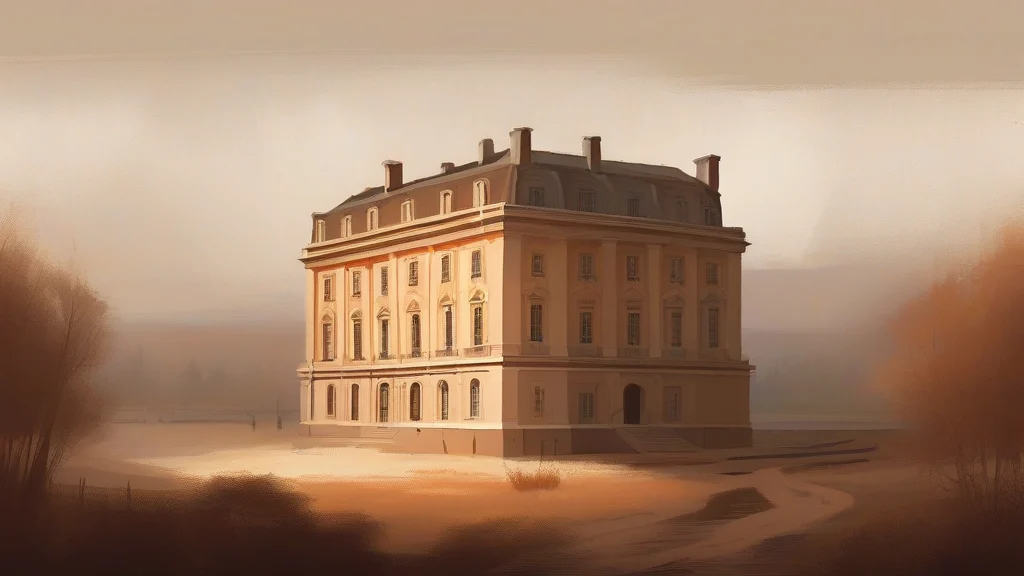
From a hermit's cell to a world-famous museum: “hermitage” evokes a quiet retreat, while “the Hermitage” is the celebrated museum in St Petersburg.
Reviewed by Deb Chak, Editor. AI-assisted content curated by RJS Tech Solutions LLP.
Where does hermitage come from?
The word entered Middle English through Old French hermitage, ultimately from Medieval Latin hermitagium. These forms derive from the Latin hermita and the Greek erēmitēs, “hermit,” a word associated with the Greek erēmos, “desert” or “uninhabited place.” English cognates and related forms include hermit, hermitic, eremitic, and eremite, reflecting the same long history of religious seclusion.
How hermitage is actually used
The word is formal and literary, often suggesting deliberate withdrawal from ordinary life. Its religious associations are strong, but in modern usage it can describe any secluded retreat. “The Hermitage” is also the proper name of the major art museum in St Petersburg.
Easily confused with hermitage
A hermit is the person who lives in seclusion, often for religious reasons, whereas a hermitage is the dwelling or place associated with that life.
Hermitage means a secluded residence or retreat, while heritage refers to something inherited or to a group's cultural legacy.