
What does hideout mean?
A hideout is a place where someone or something can remain concealed, sheltered, or out of sight. The word is especially common when describing a secret location used by people avoiding pursuit, danger, or unwanted attention, but it can also refer to an animal's shelter. In stories, a hideout often suggests secrecy and suspense: it may be a hidden room, remote cabin, abandoned building, or secluded part of the landscape. The term is informal but widely accepted in general English, combining the ideas of hiding and finding refuge. Compared with refuge or shelter, hideout is more specific about concealment; compared with lair or den, it is more often associated with people and groups, although animals can have hideouts too.
nounA place where someone or something can hide, shelter, or stay out of sight. The term often refers to a concealed or secluded location, especially one used to avoid detection.
- A place where a person, group, or animal conceals itself or seeks shelter from pursuit, danger, or public attention.
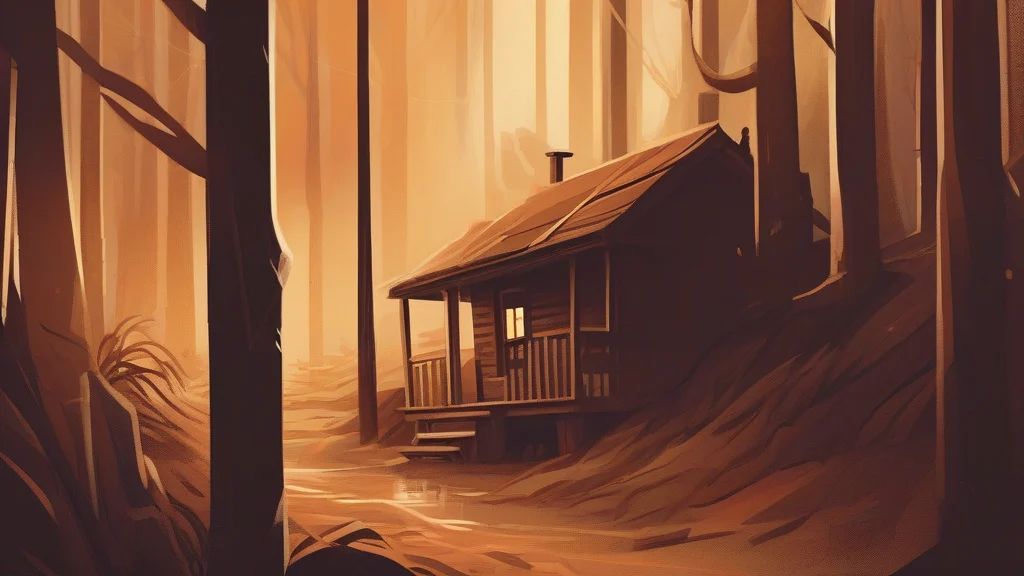
"The old cabin served as a hideout for the group during the storm."
"The police searched the warehouse, believing it was the robbers' hideout."
"The fox returned to its hideout beneath the roots of the old tree."
The standard plural is hideouts.
"The police closed several suspected hideouts near the river."
A hideout is more than a hiding place: it often carries the secrecy and excitement of a place built for staying out of sight.
Reviewed by Deb Chak, Editor. AI-assisted content curated by RJS Tech Solutions LLP.
Where does hideout come from?
Hideout is formed within English by combining the verb hide with the directional element out. The word developed the sense of a place where someone could hide or remain out of sight, with the compound becoming especially established during the 19th century. Its underlying meaning is transparent: it is a location for getting out of view or escaping detection.
How hideout is actually used
The word is common in narrative, crime, adventure, and survival contexts. It often implies a location that is concealed or difficult to access, rather than merely a temporary refuge.