
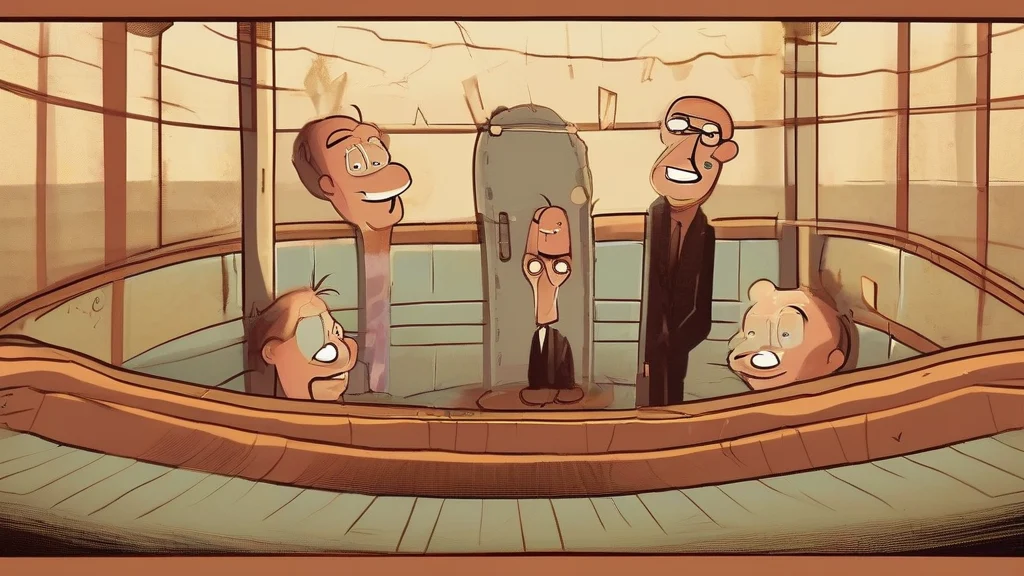
What does hilarity mean?
Hilarity means boisterous merriment, especially the laughter or amusement shared by a group. In its most common use, it describes a scene, event, or incident that provokes strong amusement, as in a phrase referring to “unexpected hilarity” or “general hilarity.” The word can also refer more broadly to something funny, particularly a comic episode or situation. Although “laughter” is the simpler and more neutral everyday term, “hilarity” often adds a literary or slightly old-fashioned quality and suggests a festive, animated atmosphere. Its sound and associations make it especially effective for describing moments when an audience reacts collectively and exuberantly. The word is used in both British and American English.
nounBoisterous merriment or laughter. It can also refer to something funny or amusing, especially an event or situation that provokes laughter.
- Boisterous merriment or laughter, especially shared by a group.
- A funny, amusing, or comic event or situation.
"The unexpected twist in the final scene caused widespread hilarity among the audience."
"The comedian's imitation of a familiar office conversation produced considerable hilarity."
"The disastrous wedding reception became an evening of sheer hilarity."
Rare; usually used for funny incidents, situations, or comic episodes rather than for the general feeling of amusement.
"The film is remembered for its small but memorable hilarities."
From a Latin root meaning “cheerful,” hilarity is the kind of laughter that can turn a room upside down.
Reviewed by Deb Chak, Editor. AI-assisted content curated by RJS Tech Solutions LLP.
Where does hilarity come from?
Hilarity entered English in the early 17th century from Latin hilaritas, meaning cheerfulness or merriment. Latin hilaritas was derived from hilarus, “cheerful” or “merry,” a word traditionally connected with Greek hilaros, likewise meaning cheerful or merry. The related English words “hilarious” and “hilariously” continue the same Latin root in a different grammatical form.
How hilarity is actually used
Hilarity is somewhat formal and literary compared with the more everyday “laughter” or “fun.” It often describes collective amusement and may convey a sense of energetic or chaotic amusement rather than quiet amusement.