
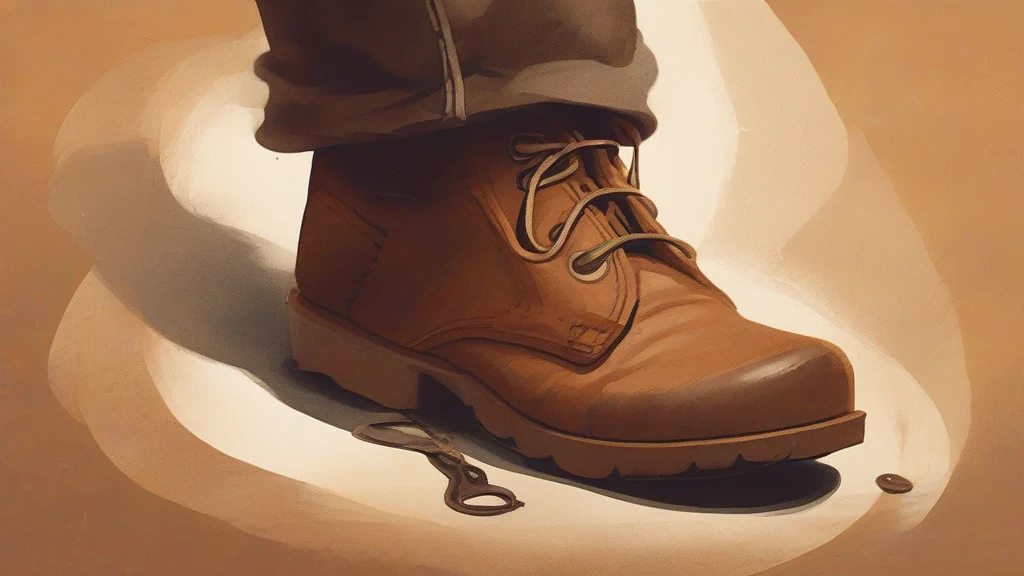
What does hobbler mean?
A hobbler is traditionally a person who makes or repairs shoes, a craftsperson now more commonly called a cobbler or shoemaker. The word has a distinctly traditional, old-fashioned quality and can evoke village tradespeople, workshops, and hand-repaired footwear. In older literary usage, a hobbler can also mean a person who walks with a limp or difficulty. The principal meaning is therefore occupational, while the secondary meaning reflects the verb hobble and the physical act of walking unevenly. Although “cobbler” is much more common today, “hobbler” remains a useful example of how traditional English vocabulary preserves the social history of crafts and trades. In that older context, the cobbler was not merely a seller of shoes but a skilled maker and repairer whose work was central to everyday life.
A person who makes or repairs shoes; a shoemaker or cobbler.
"A cobbler in the old market was the village's shoemaker and leatherworker."
Traditional and somewhat old-fashioned; shoemaker and cobbler are the usual modern terms.
A person who walks with a limp or difficulty.
"The old man was a hobbler after the fall."
Literary, archaic, or regional in contemporary usage.
The plural is formed by adding -s; in the occupational sense, it refers to multiple people who make or repair shoes.
"The market once hosted several hobblers, each working in a narrow stall."
Before modern repair shops, a village cobbler was often called a hobbler, making the word a reminder that everyday trades once had wonderfully vivid names.
Reviewed by Deb Chak, Editor. AI-assisted content curated by RJS Tech Solutions LLP.
Where does hobbler come from?
The occupational sense of hobbler developed from the verb hobble in its older sense of making or repairing shoes, itself associated with the craft of working leather. The suffix -er forms an agent noun meaning “one who performs the activity.” The separate meaning “one who walks with a limp” comes more directly from hobble’s later sense of walking unevenly or with difficulty. The word therefore reflects both a trade use and a bodily-action use of the same verbal root.
Related word forms
How hobbler is actually used
The shoemaker sense is traditional and is now somewhat old-fashioned, although the word remains used in some regional speech. The limping sense is literary or archaic in modern English.
Easily confused with hobbler
A hobbler is a person, especially a shoemaker, whereas to hobble is to walk with a limp or restrict an animal's movement.
A hobbler is a shoemaker or someone who hobbles, while a hobby is an activity pursued for enjoyment.