
What does hoot mean?
A hoot is most immediately associated with the deep, resonant call of an owl, but the word can also describe any loud, carrying cry. In informal English, “a hoot” often means a burst of laughter, as in a phrase such as “a hoot of laughter.” “To hoot” can mean to cry out noisily, particularly in protest, ridicule, or derision: a crowd may hoot at a speaker or a performer. The word has a vivid, theatrical quality, suggesting a sound that is sudden, forceful, and impossible to ignore. Although its basic meaning is shared by British and American speakers, uses connected with laughter are especially characteristic of informal speech. The same word therefore moves naturally from the literal sound of an owl to human laughter and public outrage.
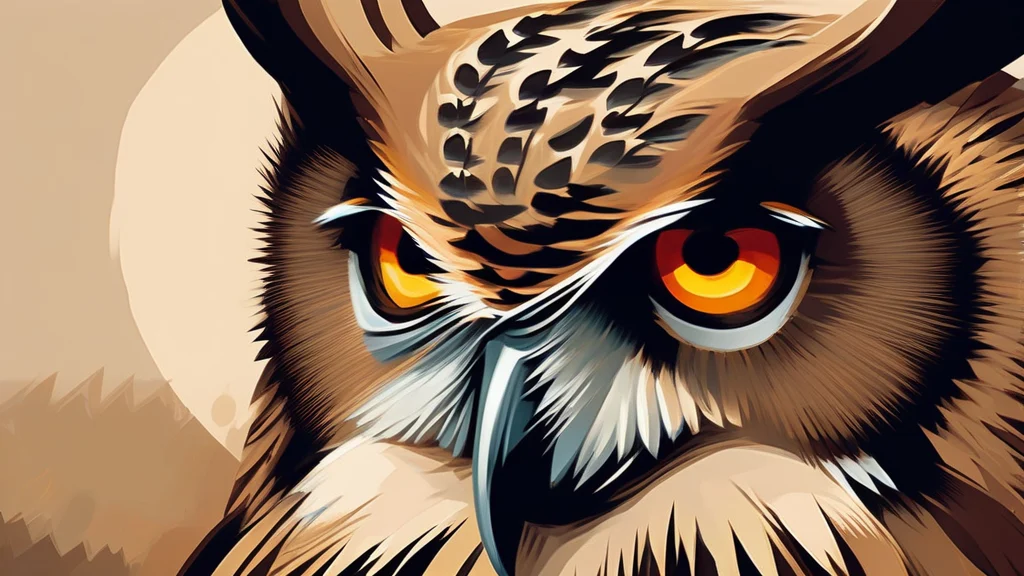
A deep, resonant cry, especially the call of an owl; also a loud cry of laughter or a cry expressing ridicule or protest.
"The sudden hoot of an owl made him look up at the trees."
The senses involving laughter and ridicule are informal; “a hoot of laughter” is especially common.
To make a deep, resonant cry like an owl, or to cry out loudly in laughter, protest, ridicule, or derision.
"Audience members hooted when the speaker made an unpopular remark."
Often used in the patterns “hoot at someone” and “hoot with laughter.” It can be critical or strongly amused, depending on context.
The plural is used for individual owl calls, sounds of laughter or protest, and instances of loud criticism.
"The owl answered with several hoots from the darkness."
The word “hoot” captures the sudden, carrying call of an owl—and, figuratively, the sudden burst of laughter or outrage that can sound almost as unmistakable.
Reviewed by Deb Chak, Editor. AI-assisted content curated by RJS Tech Solutions LLP.
Where does hoot come from?
The word comes from Old English and is recorded in forms associated with the cry of an owl. Its exact medieval development is less certain than its long-established use for an owl's call. English later extended the word figuratively to loud human cries, especially laughter, and to cries of protest or mockery. The word's connection with the owl remains strong in modern English.
How hoot is actually used
As a noun, “hoot” is formal in the sense of an owl's cry and informal when referring to laughter or noisy ridicule. As a verb, it is common in British and American English, especially in phrases such as “hoot with laughter” and “hoot someone down.”