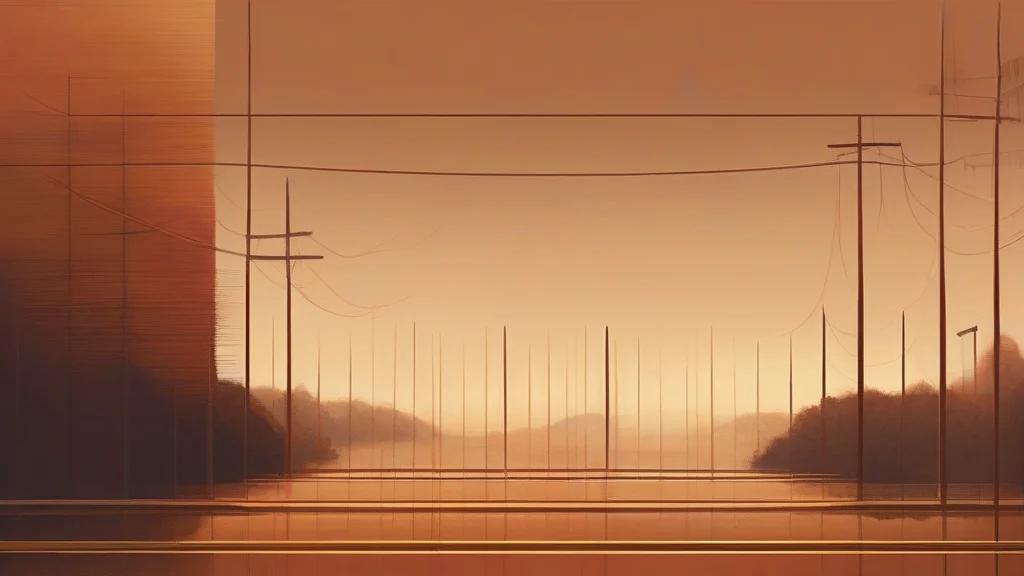
What does horizontality mean?
Horizontality refers to the state or quality of being horizontal, describing a position or orientation that is level or parallel to the horizon. This concept is crucial in various fields such as architecture, design, and art, where it can influence the aesthetic and functional qualities of a structure or composition. Horizontality can create a sense of calm, stability, and balance, and is often used intentionally to achieve specific visual or spatial effects. Understanding horizontality is essential for professionals and enthusiasts alike, as it plays a significant role in shaping our built environment and visual experiences.
nounThe state or quality of being horizontal; a horizontal position or orientation.
- The quality of being horizontal.
- A horizontal position or orientation in a particular context.
"The architect emphasized the horizontality of the building's design to create a sense of calm."
"The landscape architect aimed to preserve the natural horizontality of the terrain."
"The artist's use of horizontal lines created a sense of horizontality in the painting."
Reviewed by Deb Chak, Editor. AI-assisted content curated by RJS Tech Solutions LLP.
Etymology of horizontality
The term 'horizontality' originates from the Latin word 'horizontalis', which is derived from 'horizon', meaning 'limit' or ' boundary'. The concept of horizontality has been explored in various fields, including geometry, architecture, and art, throughout history.
How horizontality is actually used
Formal or technical contexts, often used in architecture, design, and art.