
What does horology mean?
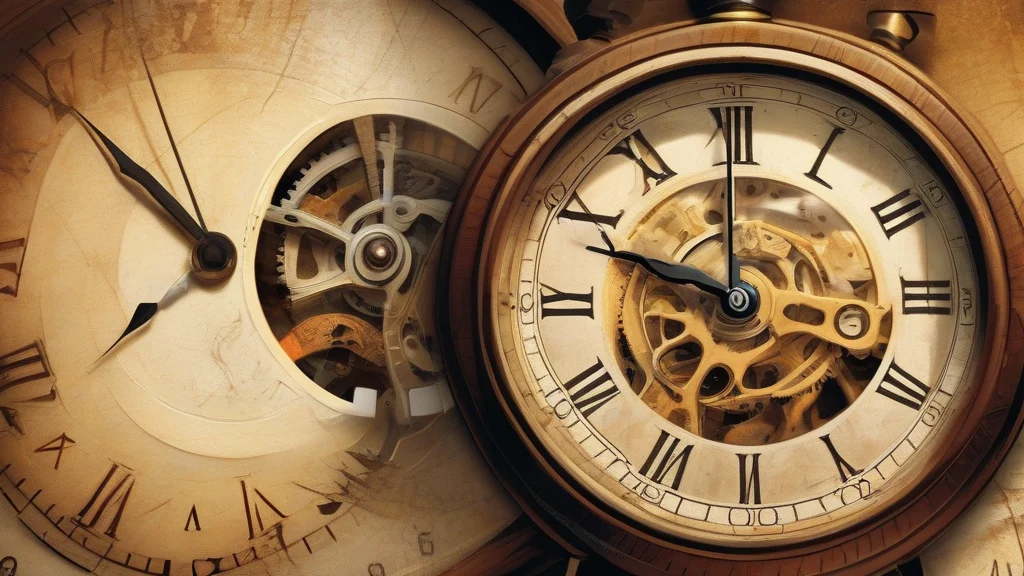
Horology is the study and craft of measuring time, particularly through the design, construction, repair, and history of clocks, watches, and related instruments. The word combines elements meaning “hour” and “study,” reflecting the close relationship between the discipline and the measurement of hours. In academic or museum contexts, horology often means the history and technology of timekeeping devices; in workshop settings, it can refer more narrowly to the skilled practice of watchmaking and clock repair. The term is especially associated with precision engineering, mechanical ingenuity, and the traditional craft of producing accurate instruments. Although digital and atomic clocks have expanded the ways humans keep time, horology continues to be used for the specialist study and appreciation of both mechanical and modern timekeeping technology.
nounHorology is the study and practice of measuring time, especially the design, construction, repair, and history of clocks and watches. It is also used more broadly for the precision craftsmanship associated with timekeeping instruments.
- The study of measuring time and the design, construction, and repair of clocks and watches.
- The art or practice of making timekeeping instruments.
"The museum's horology collection includes clocks made by some of the world's finest watchmakers."
"She studied horology before becoming a specialist watchmaker."
"An exhibition on the history of horology brought together clocks, marine chronometers, and astronomical instruments."
The plural is rare; the uncountable form is standard in most contexts.
"The exhibition explores several regional horologies and the traditions behind them."
Every precise clock is a tiny mechanical argument against the disorder of time.
Reviewed by Deb Chak, Editor. AI-assisted content curated by RJS Tech Solutions LLP.
Where does horology come from?
Horology was formed in the early 19th century from the Greek hōra, meaning “hour,” and the combining form -logy, meaning “study of.” The underlying Greek word also contributed to English words such as hour and horoscope. Its modern sense developed alongside the study and manufacture of increasingly accurate clocks and watches.
Related word forms
How horology is actually used
Horology is a formal and relatively uncommon term. It can refer both to the academic study of timekeeping and to the skilled manufacture and repair of clocks and watches.
Easily confused with horology
Chronology is the arrangement of events in their historical or temporal order, whereas horology is the study and craft of measuring time and making timekeeping devices.