
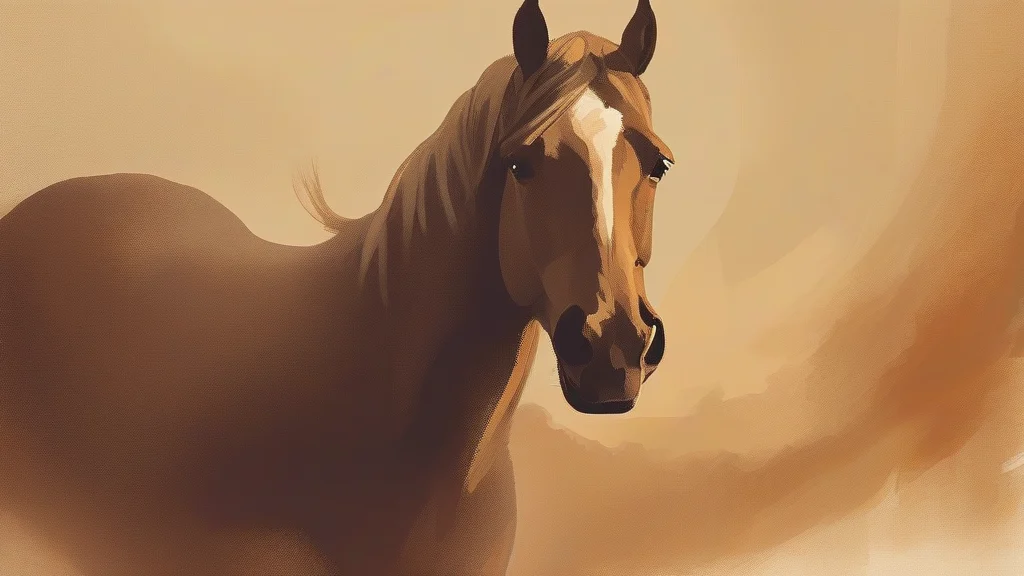
What does horselike mean?
Horselike means resembling a horse or sharing qualities conventionally associated with horses. It can describe an animal’s body shape, movement, or endurance, as in a creature with a “horselike gait,” and it may also characterize a place that resembles an open, pastoral landscape. The adjective is useful because it is more specific than the broad description “like an animal” and more immediate than a technical term such as “equine” when discussing visible appearance or movement. In contemporary English, however, it is relatively uncommon and is often spelled with a hyphen as “horse-like,” particularly before another noun. Literal uses focus on physical or behavioral resemblance, while figurative uses tend to draw on associations with horses, including speed, stamina, strength, grace, and rural life. The word is understood in both British and American English, though its literary or descriptive style makes it more noticeable than everyday alternatives.
adjectiveResembling a horse in appearance, movement, proportions, or manner. It may also describe a place that evokes the open, rural character traditionally associated with horses.
- Resembling a horse in appearance, movement, or character.
"The breed was known for its horselike endurance and graceful movement."
"The animal's long legs and horselike posture were unmistakable."
"The painting presents a windswept, horselike landscape of open plains."
Horselike is a vivid example of how a single comparative idea can become a compact English compound.
Reviewed by Deb Chak, Editor. AI-assisted content curated by RJS Tech Solutions LLP.
Where does horselike come from?
“Horselike” is an English compound formed from “horse” and the adjective “like,” both of which are long-established elements of the language. The compound expresses the same basic relation as the phrase “like a horse,” combining them into a more economical descriptive adjective. Other English words formed from the same “horse” element include “horseback,” “horseman,” “horsepower,” and “horsehair,” reflecting the long history of the horse in English-speaking societies.
How horselike is actually used
The adjective is relatively uncommon and is often written “horse-like,” especially when placed before a noun. Its literal comparisons are clear; figurative uses should evoke qualities such as speed, strength, stamina, grace, or an open rural landscape.