
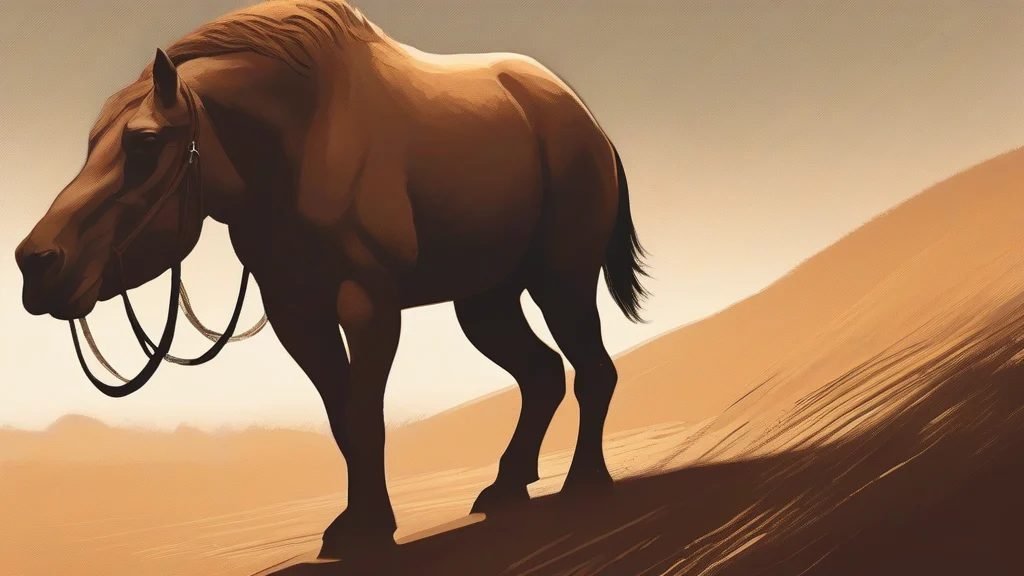
What does humpbacked mean?
Humpbacked means having a curved or raised upper back, especially with a noticeable hump. The word can describe a person’s posture, the shape of an animal, or the form of an object. Its strongest everyday use is in the compound “humpbacked whale,” referring to the distinctive curved back and long flippers of the species. When applied to a person, “humpbacked” may simply describe stooped or bent posture, but it can also imply a physical deformity, so its tone depends on context and sensitivity. The term is formed from “hump” and “back” and is related to the noun “humpback,” which can itself refer to the animal, a person with a curved back, or the arched structure of a sailing ship.
adjectiveHaving a rounded or elevated hump on the back. It may describe the posture of a person or animal, especially when the upper back is markedly curved.
- Having a hump or markedly curved upper back.
"The humpbacked old man walked slowly along the lane."
"A humpbacked fisherman sat beside the harbor."
"The whale's humpbacked body rose above the waves."
A humpbacked posture can make a person appear to carry the world on their shoulders.
Reviewed by Deb Chak, Editor. AI-assisted content curated by RJS Tech Solutions LLP.
Etymology of humpbacked
The word is a compound formed in English from “hump,” referring to a rounded projection on the back, and the past participle “backed.” The underlying expression developed from the older noun “humpback,” which was used for a person with a curved back and later for the humpback whale. The compound has long been established in English, especially in the term “humpbacked whale.”
Related word forms
How humpbacked is actually used
Humpbacked is usually descriptive and may sound more objective when referring to an animal or object than when referring to a person. It is sometimes confused with hunchbacked, which has stronger associations with congenital spinal deformity.
Easily confused with humpbacked
Humpbacked generally describes a visibly rounded back, while hunchbacked more specifically suggests a prominent, often congenital, deformity of the spine.