
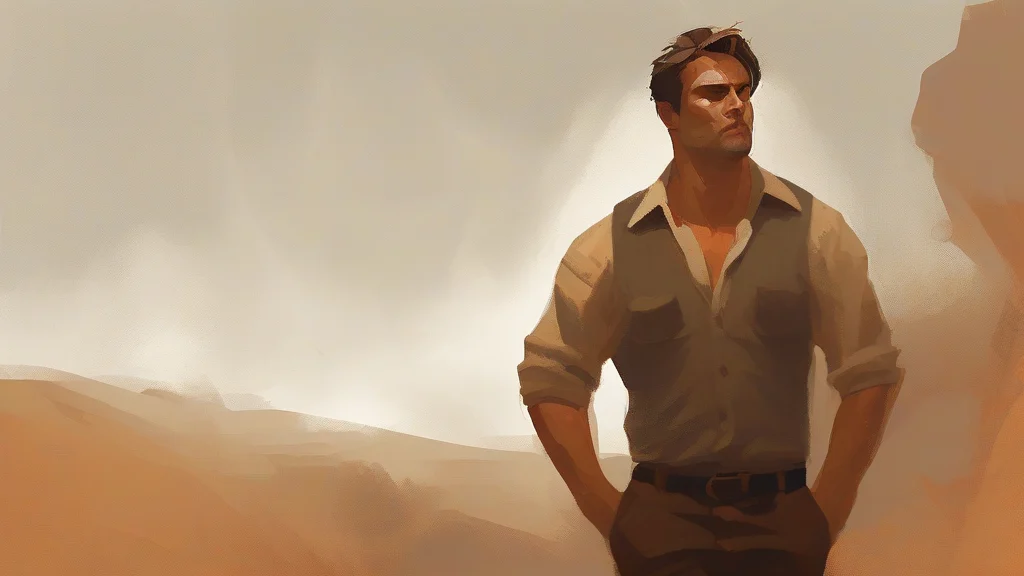
What does hunkier mean?
Hunkier is the comparative form of the informal adjective hunky. It describes someone or something that appears more muscular, rugged, chunky, or conventionally masculine than another person or thing. The word often describes a physique, but it can also characterize a style, vehicle, building, or other object with a solid, powerful appearance. Because hunky can reduce a person to physical characteristics, it is best used in casual or entertainment contexts and with awareness of its potentially objectifying tone. In comparisons, hunkier follows the standard pattern: “hunkier than” is used before a noun or pronoun, while “hunkier” can stand alone when the comparison is understood. The related noun hunkiness describes the quality of being hunky.
adjectiveComparative of hunky: having a strong, muscular, or conventionally masculine appearance; more rugged or chunky than something else.
- More muscular, rugged, chunky, or conventionally masculine in appearance.
"The sequel featured a hunkier hero with an even more imposing physique."
"He looked hunkier after taking up weightlifting."
"The updated design is hunkier and more rugged than the original."
Hunkier is the comparative of hunky, a word that has long described a physique that is both substantial and conventionally masculine.
Reviewed by Deb Chak, Editor. AI-assisted content curated by RJS Tech Solutions LLP.
Where does hunkier come from?
The word belongs to the informal English family of hunk and hunky, which convey a sense of a solid, muscular, or masculine physique. Hunky is related in origin and sound to hunk and chunk, words associated with a lump or sizable piece. The modern evaluative sense developed through informal usage describing an attractively rugged or masculine appearance.
How hunkier is actually used
Informal and sometimes objectifying when used to describe a person's body; it is more common in casual speech and entertainment contexts than in formal writing.
Easily confused with hunkier
Hunkier describes a more rugged, muscular, or conventionally masculine appearance, whereas hungrier means more in need of food.