
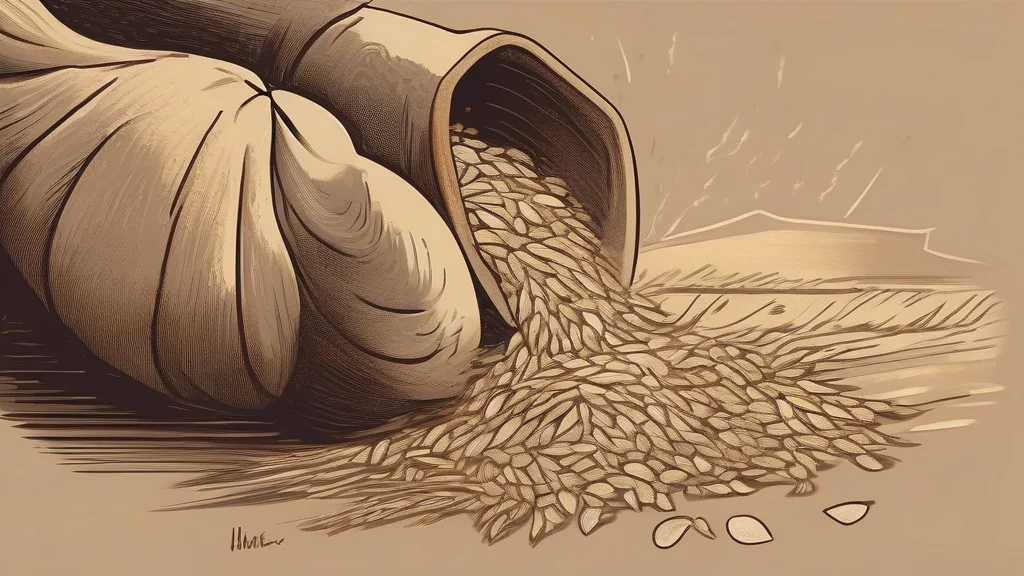
What does husking mean?
Husking is the process of removing the dry outer covering from seeds, grain, or similar plant material. The word is especially common in descriptions of preparing maize and other crops, where the covering may be removed by hand or by a dedicated machine. It is also used more broadly for shelling or peeling activities involving plant products. As a noun, it usually names the activity rather than an individual object, so it is generally found in phrases such as maize husking and corn husking. The related verb husk describes the action itself. Although the vocabulary of agriculture may sound old-fashioned, husking remains a useful technical term in discussions of crop preparation, grain processing, and the work involved in turning raw agricultural produce into food or feed.
nounThe removal of the outer covering or shell from a seed, grain, or other plant material. It can also refer to the activity of removing husks from crops such as maize.
- The process or activity of removing husks or shells from seeds, grain, or other plant material.
- The work of preparing crops such as maize or grain for use by removing their outer coverings.
"The husking of the maize was done by hand before the grain was ground."
"Workers spent the afternoon husking the maize in the field."
"The report examines the changing methods of husking and milling grain."
This plural is rare; the word is normally used in the uncountable sense.
"The recordings document seasonal huskings and other communal farm work."
Husking turns a protected seed into a usable grain—and, in the world of bees, describes a young bee emerging from its cell.
Reviewed by Deb Chak, Editor. AI-assisted content curated by RJS Tech Solutions LLP.
Where does husking come from?
The word is formed from the English noun and verb husk, meaning an outer covering and the act of removing it. Husk ultimately derives from Old Norse huskr, referring to a husk or shell, and related forms developed in Middle English. The agricultural sense became especially prominent in English-speaking farming communities, where removing husks from grain and maize was a familiar seasonal task.
Related word forms
How husking is actually used
The term is mainly associated with agriculture and food processing. It is usually uncountable when referring to the general activity, though countable uses are possible when referring to separate instances of the work.
Easily confused with husking
A husk is the outer covering of a seed or grain, whereas husking is the process of removing that covering.
Husking means removing plant coverings, while a husky is a breed of dog associated with northern regions.