
What does hydropower mean?
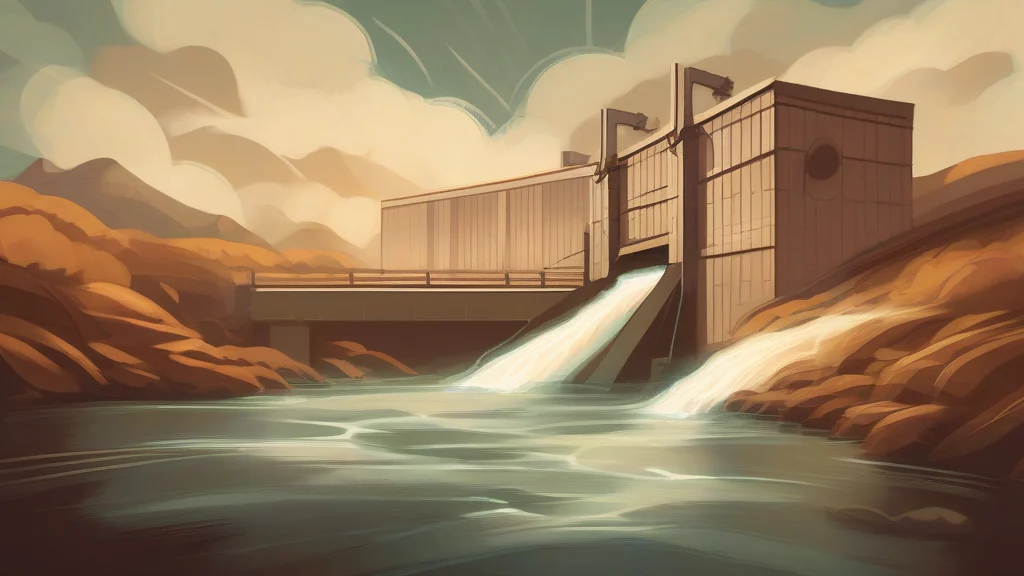
Hydropower is electricity generated from the energy contained in moving or falling water. Water is directed through turbines, which drive generators to produce electricity, or its movement is otherwise harnessed for power. The term is used in both everyday discussion and technical contexts, including energy policy, engineering, geography, and environmental assessment. It is generally considered a renewable source because it does not require the combustion of fuel, although it is not free of environmental effects: large dams and reservoirs can alter river systems, disrupt aquatic habitats, and change local water availability. Hydropower is therefore commonly discussed in relation to sustainable energy, but the suitability of a particular project depends on the landscape and its ecological consequences. The word also occurs attributively in established terms such as “hydropower plant” and “hydropower capacity,” referring respectively to a generating facility and the amount of electrical output it can produce.
nounElectrical power generated from the energy of moving or falling water. It is produced in hydroelectric stations, where flowing or falling water turns turbines connected to generators.
- Electric power generated from the energy of flowing, falling, or impounded water.
"The new dam provides enough hydropower to supply electricity to several nearby towns."
"Hydropower accounts for a substantial share of the country's renewable electricity."
"The valley's steep rivers make it well suited to small-scale hydropower development."
Generally uncountable when referring to the resource, industry, or method as a whole. When individual generating facilities are being counted, writers usually use “hydropower plants” rather than treating “hydropower” as a countable noun.
"The region is investing in hydropower to diversify its electricity supply."
Hydropower turns the movement of a river into electricity without burning fuel, though dams and reservoirs can significantly alter the ecosystems around them.
Reviewed by Deb Chak, Editor. AI-assisted content curated by RJS Tech Solutions LLP.
Etymology of hydropower
The word combines “hydro-,” from Greek hudor, meaning “water,” with “power,” from Latin potestas, meaning “power” or “ability.” The combination developed as a descriptive term for electricity generated from waterpower. Related English words include “hydroelectric” and “hydraulic,” while “potency” and “potential” descend from the same Latin root as “power.”
How hydropower is actually used
The term is used in both formal and general contexts. It is most common in discussions of energy, infrastructure, geography, and environmental policy, and is usually treated as an uncountable noun when referring to the resource or method as a whole.
Easily confused with hydropower
Hydropower names the use of water to generate power, while hydroelectricity usually refers specifically to the electricity produced by that process.
Hydraulic describes power or equipment involving pressurized fluid, whereas hydropower specifically involves generating energy from moving or falling water.