
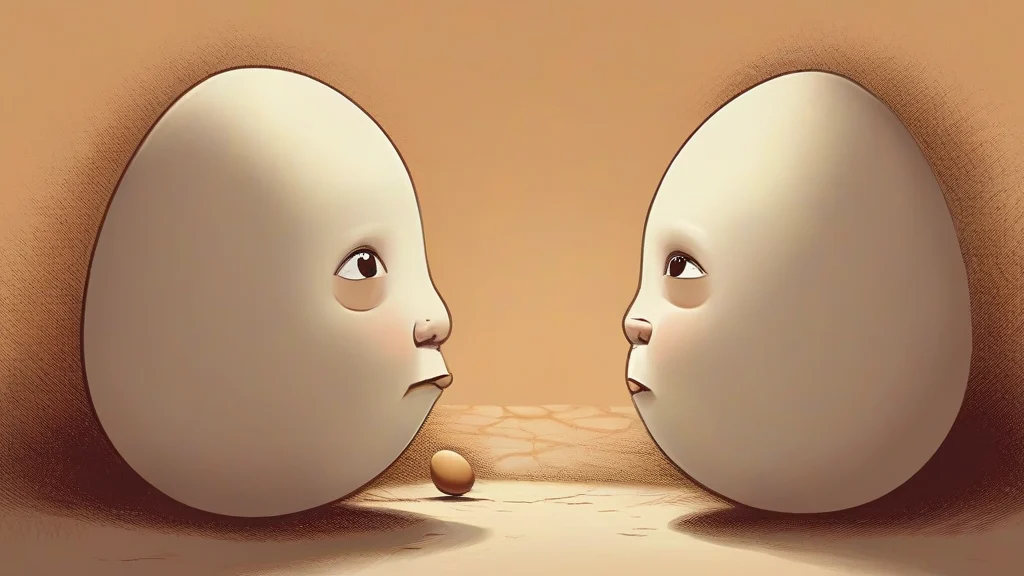
What does identical mean?
Identical describes two or more things that are exactly alike, with no meaningful difference in appearance, characteristics, measurements, or value. The word is especially useful when precision matters: identical copies match their originals exactly, while identical results are indistinguishable in terms of outcome or value. In biology, identical twins originate from the same fertilized egg and are therefore genetically alike, although environmental differences may make them look and behave differently. The term is standard in both British and American English. It is more emphatic and exact than words such as “similar,” because it rules out any observable discrepancy. When comparing two things, speakers normally use “identical to,” as in “The design is identical to the original.”
adjectiveExactly alike in every respect, or indistinguishable in nature, appearance, or value. It can also mean precisely the same, especially when comparing measurements, results, or copies.
- Exactly alike in every relevant detail or characteristic.
- Exactly equal or equivalent, especially in size, measurement, value, or result.
- So alike as to share the same genetic origin, as in identical twins.
"The two recordings are identical, with no difference in either sound or duration."
"The two versions produce identical results under the same conditions."
"They wore identical outfits to the awards ceremony."
Identical sets the highest possible standard of similarity: there is no detectable difference at all.
Reviewed by Deb Chak, Editor. AI-assisted content curated by RJS Tech Solutions LLP.
Where does identical come from?
The word derives from Latin identicus, meaning “having the same” or “identical,” which was formed from idem, “the same,” together with a suffix meaning “making” or “producing.” English borrowed the term in the late 16th century. Its relatives include identity and identify, both of which continue the same Latin root, while identic remains a more specialized adjective meaning “identical in form or nature.”
Related word forms
How identical is actually used
“Identical to” is the usual construction when making a comparison. “Identical with” is also correct but is less common and can sound formal or slightly old-fashioned.
Easily confused with identical
Identical means exactly alike in every relevant respect, whereas indiscernible means that a difference cannot be observed or distinguished.