
What does impressment mean?
Impressment means the act of compelling people to enter military or naval service without their consent. Its best-known historical use concerns the forced recruitment of merchant seamen into British and other royal navies, especially during periods of war when additional sailors were needed. By extension, the word can denote the requisition of property, labor, or supplies for military or public purposes. The term carries a strong association with coercion, resistance, and the treatment of people as resources to be commandeered. Although modern states generally use voluntary enlistment and formal conscription instead, impressment remains important in accounts of naval history, wartime government, and the legal regulation of compulsory service. The word is also useful for distinguishing the forceful taking of people or property from recruitment carried out through accepted legal procedures.
nounImpressment is the compulsory recruitment of people into military or naval service. By extension, it can refer to the requisition of property, labor, or supplies for public or military needs.
- The compulsory recruitment of people into military or naval service, especially the historical practice of forcing sailors into the navy.
- The compulsory requisition or commandeering of property, labor, or supplies for public, military, or wartime use.
"The mutiny was partly caused by the harsh conditions imposed on sailors taken aboard by impressment."
"British naval impressment became a major source of grievance among merchant seamen."
"The authorities documented the impressment of horses and timber for the military camp."
The plural is rare and is used when referring to multiple distinct acts or instances of compulsory recruitment or requisition.
"Historians have examined the legal and social consequences of naval impressments in wartime."
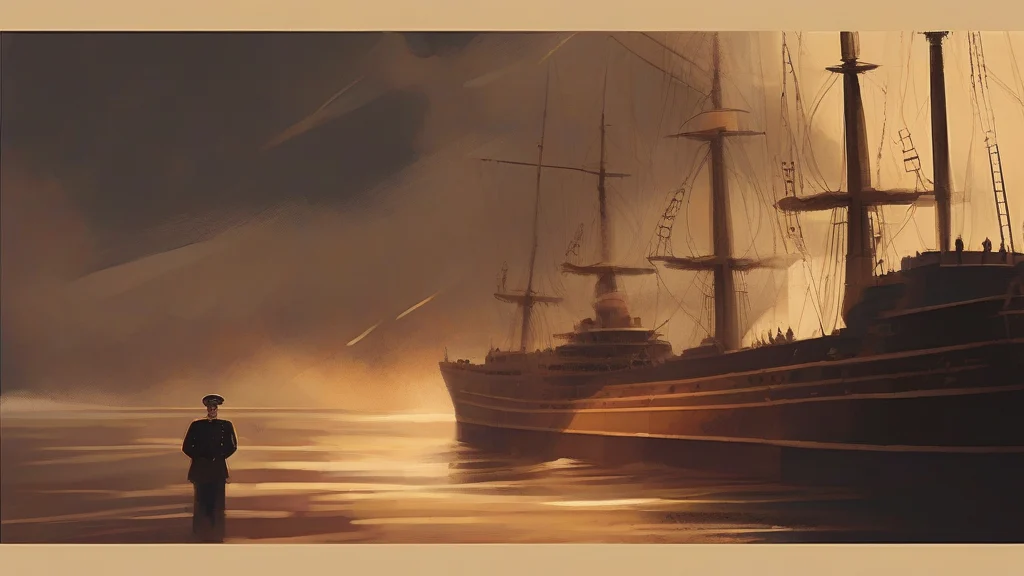
In the age of sail, impressment could put a sailor aboard a warship without his consent.
Reviewed by Deb Chak, Editor. AI-assisted content curated by RJS Tech Solutions LLP.
Etymology of impressment
English developed impressment from the verb impress in the sense of forcing or pressing someone into service. That verb came through Old French from Latin imprimere, meaning “to press into” or “to force upon.” Related English words such as impression, imprint, and impressive ultimately derive from the same Latin verb.
Related word forms
How impressment is actually used
Impressment is chiefly historical, military, or legal vocabulary. In modern historical discussion it is especially associated with the forced recruitment of merchant seamen into royal navies. The term has a strongly coercive and adverse connotation and is not normally used for ordinary voluntary recruitment.
Easily confused with impressment
Impressment means compulsory recruitment or requisition, whereas imprisonment means confinement in prison.