
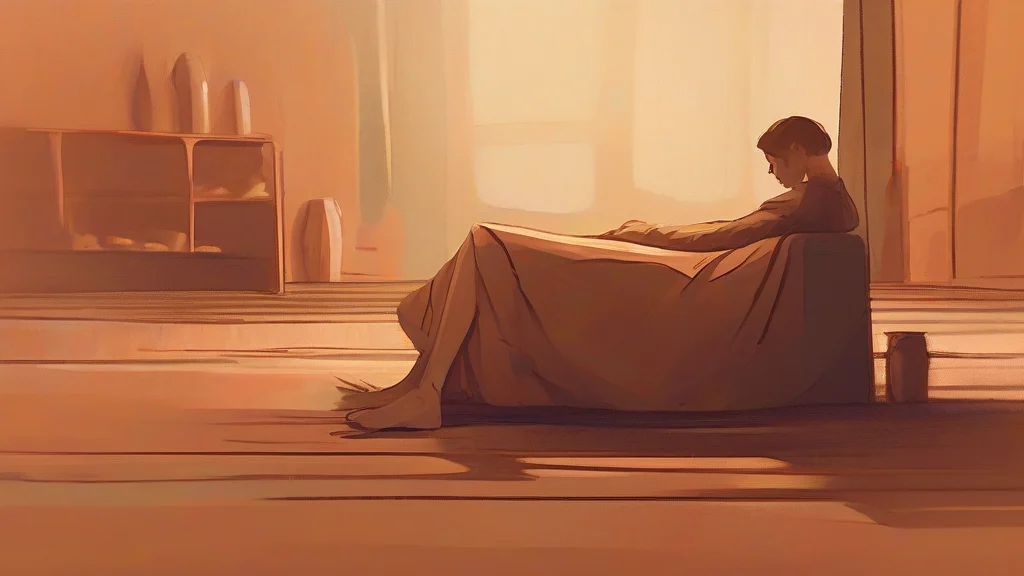
What does inanimation mean?
Inanimation is a formal noun meaning the condition of being lifeless, inactive, or uninspired. It can describe a physical scene that lacks movement, such as an abandoned or frozen landscape, but it is also used metaphorically for people, conversations, performances, and works that seem dull, static, or without emotional energy. The word is more emphatic than a general description of boredom because it suggests a more complete absence of vitality or animation. In literary criticism and formal discussion, it may characterize writing that lacks liveliness, movement, or imagination. In everyday speech, people are more likely to say that something is dull, lifeless, or stagnant, but inanimation offers a more precise and elevated label for a scene or account marked by unusual inertness.
nounThe state of being lifeless, inactive, or lacking animation; a lack of vitality, energy, or interest.
- The state of being lifeless or inactive, especially in a physical sense.
- A lack of emotional energy, enthusiasm, or interest in a person, place, or situation.
"The critic dismissed the latest film as an exercise in complete inanimation."
"The long, empty meeting was marked by a complete inanimation among the staff."
"The novel's vivid characters keep it from falling into inanimation."
A rare plural used mainly in formal or specialized writing.
"The critic described the sequence of inanimations that characterized the performance."
Inanimation is the word for the moment when a room, story, or performance seems to have lost its spark.
Reviewed by Deb Chak, Editor. AI-assisted content curated by RJS Tech Solutions LLP.
Where does inanimation come from?
Inanimation is formed in English from the prefix in-, meaning 'not' or 'without,' and animation, from the Latin animātiō, a noun derived from animāre, 'to give life to' or 'to animate.' The underlying Latin anima means 'life, soul, or breath.' Related English words such as animate, animation, animism, and animus share this root and its associations with life and vitality.
Related word forms
How inanimation is actually used
Relatively formal and literary. It is most often used to describe a lack of physical movement, emotional warmth, or intellectual vitality, and can sound deliberately critical or stylistically emphatic.
Easily confused with inanimation
Inanimate is normally an adjective describing something not alive or moving, whereas inanimation is a noun meaning the condition or quality of being lifeless or uninspired.