
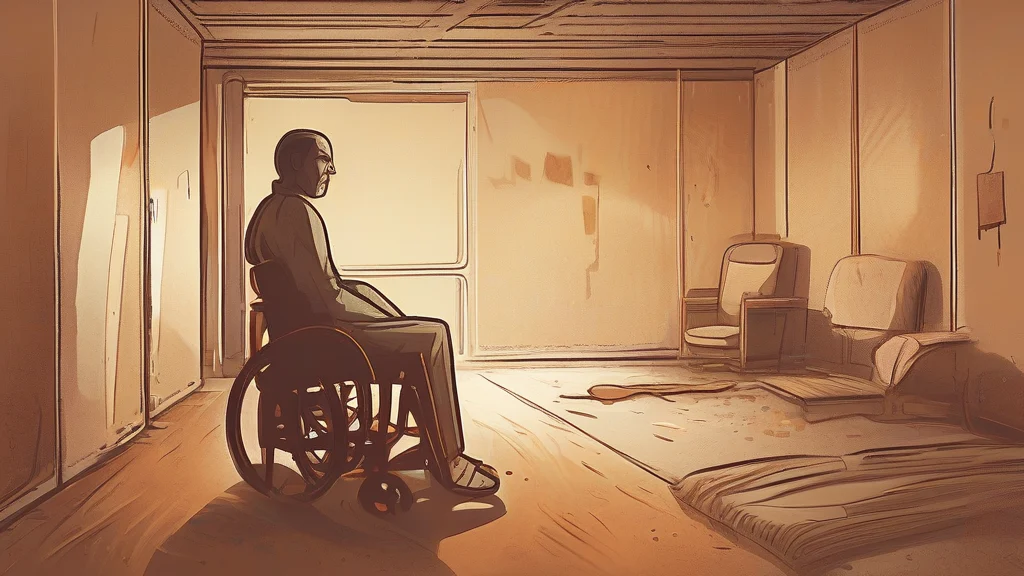
What does incapacitation mean?
Incapacitation is the state of being unable to act, function, or exercise normal judgment because of physical impairment, medical condition, or intoxication. It is especially prominent in legal contexts, where the term can describe a person’s inability, because of intoxication, to appreciate the nature or quality of their conduct. This legal sense does not automatically excuse unlawful behavior, because the rules governing intoxication and culpability vary by jurisdiction. In ordinary contexts, incapacitation is more likely to refer to someone being physically prevented from acting or carrying out normal activities. The word conveys limitation or disablement rather than the mere presence of a medical condition. It is more formal than everyday expressions such as “being unable to function,” but more precise when the relevant legal or physical standard matters.
nounThe state of being rendered unable to act, function, or make informed decisions because of physical weakness, incapacity, or intoxication. In US law, it refers specifically to a condition in which a person is unable to appreciate the nature or quality of their conduct.
- The condition of being unable to act, function, or make informed decisions because of physical weakness, impairment, or intoxication.
- In US criminal law, the condition of being unable, because of intoxication or another specified cause, to appreciate the nature or quality of one's conduct.
"The defense argued that the defendant's intoxication amounted to legal incapacitation."
"The witness's continuing incapacitation prevented the defense from questioning him."
"The statute treats severe intoxication as a form of legal incapacitation rather than as a complete excuse for criminal conduct."
The plural is rare and is used when referring to separate instances of incapacitation.
"The report documented several incapacitations among workers who lacked proper protective equipment."
In US courts, a person may be so intoxicated that they cannot legally appreciate the nature or quality of their conduct.
Reviewed by Deb Chak, Editor. AI-assisted content curated by RJS Tech Solutions LLP.
Where does incapacitation come from?
Incapacitation was formed in the early 19th century from incapacitate, which combines the Latin prefix in- meaning “not” with capac-, derived from capere, “to take, hold, or capture.” The suffix -ation forms a noun denoting the condition or process. The same Latin root appears in capable, capacity, captive, capture, and captive.
Related word forms
How incapacitation is actually used
The term is formal and especially common in legal and medical writing. In US law, it has a more specific meaning than in general usage, and its legal significance varies by jurisdiction.
Easily confused with incapacitation
Incapacity is the general condition or limitation of being unable to do something, whereas incapacitation more often names the act or process of making someone unable to act or function.
Inebriation means the state of being drunk, while incapacitation is the resulting inability to act or make legally informed judgments.