
What does incineration mean?
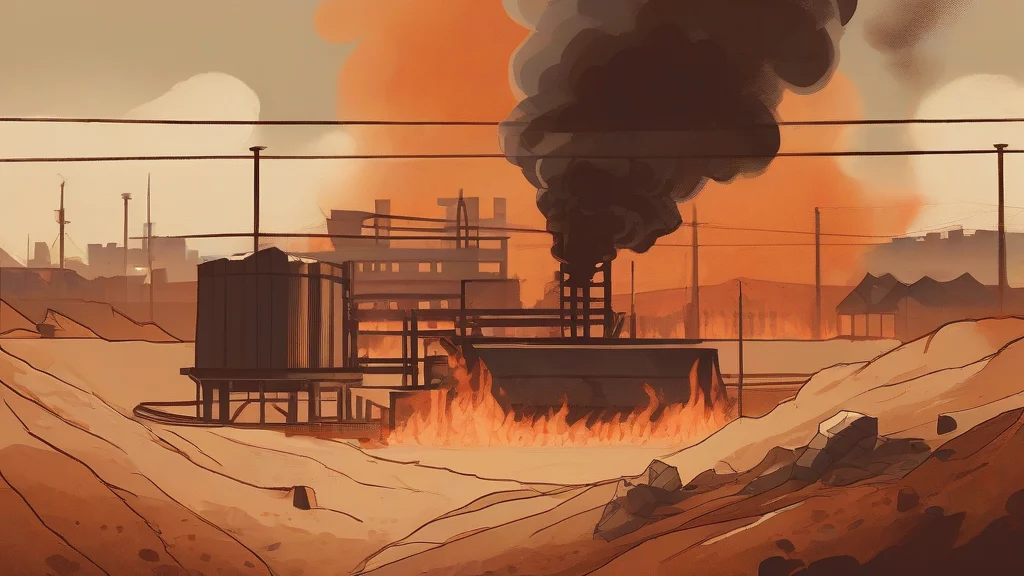
Incineration is the deliberate burning of waste, unwanted materials, or human remains in a controlled process that leaves little more than ash. In waste management, it can reduce the volume of rubbish and allow heat or energy to be recovered, although emissions must be carefully controlled. The term also has a funerary sense, referring to the burning of a body or its remains as a method of cremation. In ordinary conversation, “cremation” is more likely to be used for this latter meaning, while “incineration” is especially common in technical, industrial, and environmental discussions. The word generally conveys a clinical or practical tone, but it can also suggest finality and destruction. Its long history in ritual and waste disposal contrasts with modern uses that emphasize regulation, safety, and energy recovery.
The act or process of burning something completely, especially waste or other unwanted material, reducing it to ash.
"Waste incineration remains controversial because of the air pollutants it can produce."
Often used in technical, industrial, regulatory, or environmental contexts.
The burning of a human body or its remains as a method of cremation.
"After the funeral, the cremation took place according to the family's wishes."
In this sense, “cremation” is often more usual in everyday English.
The plural is uncommon and is normally used for separate acts or processes of incineration.
"The report documents the incinerations of several contaminated batches of material."
Incineration is both a method of disposal and a way of recovering energy: modern waste incinerators can use the heat generated to produce electricity or district heating.
Reviewed by Deb Chak, Editor. AI-assisted content curated by RJS Tech Solutions LLP.
Where does incineration come from?
English “incineration” was formed during the early modern period from Latin “incineratio,” a noun of action derived from “incinerare,” meaning “to burn to ashes.” Latin “incinerare” combines the prefix “in-” with “cinis,” meaning “ashes.” English cognates include “incinerate” and “incinerator,” while “cinerary” belongs to the same broader ash-related root.
How incineration is actually used
The word is formal and technical in general contexts, particularly when discussing waste management, environmental regulation, or funerary practice. It can sound harsh when used for human remains, where cremation is often more customary.
Easily confused with incineration
Incineration is the general process of burning material completely, whereas cremation specifically refers to the ceremonial or industrial burning of a human body or its remains.
Incineration names the burning process, while an incinerator is the furnace or other facility in which that process takes place.