
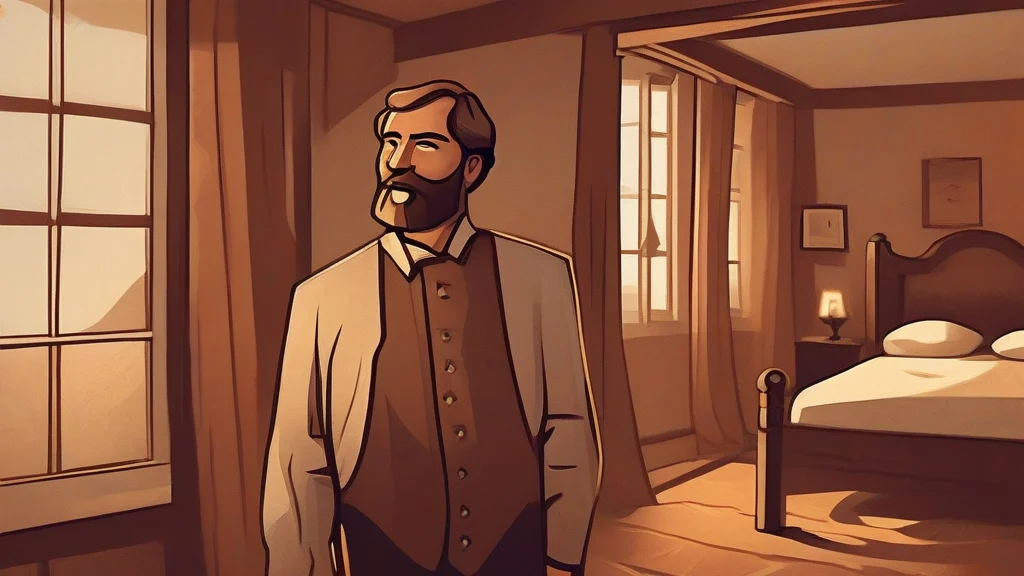
What does innkeeper mean?
An innkeeper is the person who owns or manages an inn, a place offering accommodation and often meals to travelers. The word evokes the traditional role of a host who provides food, shelter, and hospitality while also looking after the practical operation of the establishment. Although inns and their keepers remain part of British and Irish cultural life, the term has a historical and literary quality and is less common in everyday modern English than terms such as inn owner or hotel manager. It is especially useful when describing earlier periods, rural hospitality, or the social role of small lodging establishments.
nounA person who owns or manages an inn, especially one that provides accommodation, meals, and hospitality to travelers.
- A person who owns, operates, or manages an inn.
"The innkeeper greeted the weary travelers and prepared a room for the night."
"The innkeeper served supper to a group of merchants arriving after sunset."
"In the old village, the innkeeper was known for providing food and shelter to passing travelers."
The regular plural is used when referring to more than one person who owns or manages an inn.
"The two innkeepers cooperated to organize the village festival."
Before modern hotels, the innkeeper was often the first person a traveler met: the keeper of beds, meals, stabling, and local news in one.
Reviewed by Deb Chak, Editor. AI-assisted content curated by RJS Tech Solutions LLP.
Where does innkeeper come from?
Innkeeper is formed from the older English word inn and the verb keep. The word inn existed in Old English and Middle English, while keeper developed in Middle English from the Germanic root behind keep. The compound arose as a straightforward occupational description: a person who kept an inn, meaning someone who managed the premises and provided hospitality to guests.
Related word forms
How innkeeper is actually used
The term is most common in historical, literary, and traditional British contexts, but it is also understood in American English. It is less usual in modern commercial language, where innkeeper may be replaced by inn owner or proprietor.