
What does ironwork mean?
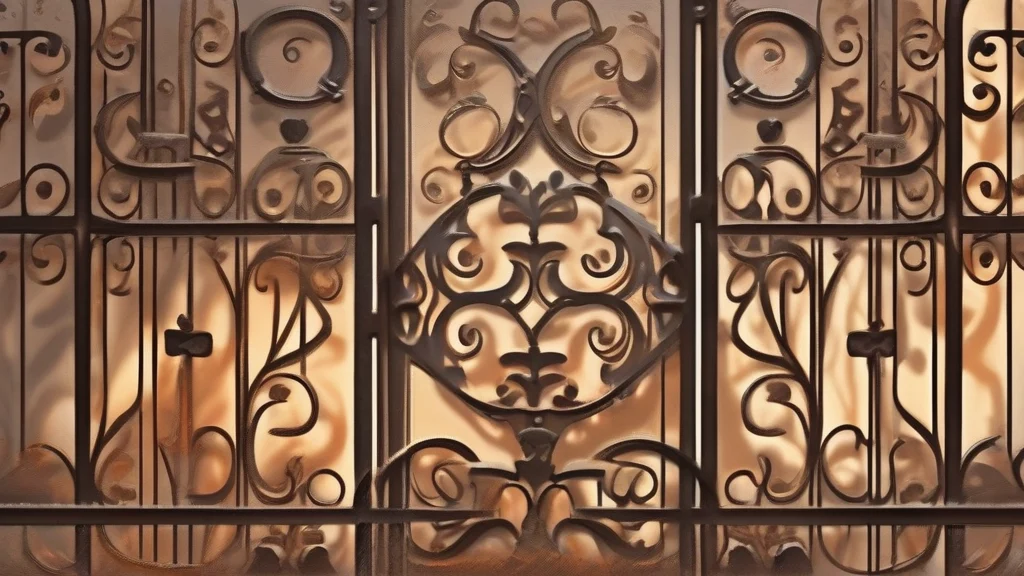
Ironwork is work made from iron, especially the decorative or structural metal elements of buildings, gates, balconies, railings, and similar objects. It can refer to an individual design, such as a panel of elaborate ironwork, or collectively to the iron framework of a larger structure. The term is especially associated with architecture and the decorative arts, where iron may be bent, forged, cast, or otherwise worked into patterns and structural forms. In British English, “ironwork” often implies ornamental ironwork, while in American English it can more broadly include structural iron components. Related forms include “ironworker,” a person who works with iron, and “ironworking,” the activity or occupation. The word is also frequently paired with “wrought,” as in “wrought ironwork,” a traditional style in which iron is shaped while heated. Although modern buildings may use steel or aluminium, ironwork remains important in restoration, conservation, and the description of historic buildings and decorative design.
nounMetalwork made of iron, especially ornamental iron structures or the iron framework of a building or object. It may also refer collectively to the iron components of a larger construction.
- Metal structures or decorative elements made from iron, especially in architecture.
- The iron components or framework of a building, vehicle, or other constructed object.
"The cathedral's delicate ironwork casts intricate shadows across the courtyard."
"The old station is distinguished by its original ironwork and glass roof."
"A skilled blacksmith repaired the ironwork on the balcony."
Usually used to refer collectively to an ironworks or to the ironwork of a structure; it may also denote a business or works producing iron products.
"The building's fine ironwork has been preserved by the local ironworks."
The Eiffel Tower's seemingly weightless lattice is ironwork on an extraordinary scale.
Reviewed by Deb Chak, Editor. AI-assisted content curated by RJS Tech Solutions LLP.
Where does ironwork come from?
The compound “ironwork” was formed in English by joining “iron” and “work,” both of which have Old English origins. Its development reflects the long history of English ironworking, in which smiths and other craftsmen shaped iron into tools, architectural fittings, and decorative objects. The related forms “ironware,” “ironmonger,” and “ironmongery” belong to the same broad family of compounds associated with iron and its trade.
Related word forms
How ironwork is actually used
The word is commonly used in architecture and decorative arts. When referring to a manufacturing industry, the usual form is the plural “ironworks,” as in “a steel and ironworks,” while the singular “ironwork” usually denotes the work or finished metalwork itself.