
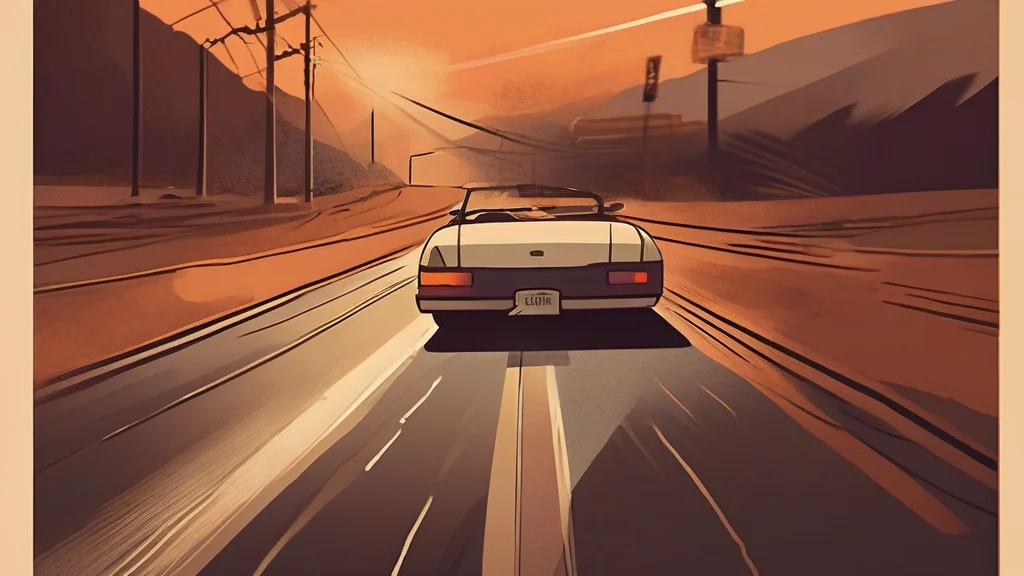
What does joyride mean?
A joyride is a drive or ride taken mainly for pleasure, usually in a car or another vehicle. The expression can describe a cheerful excursion, such as a trip through the countryside for fun, but it often carries the implication of reckless driving, excessive speed, or disregard for safety. In British English, “joyride” may be used more neutrally, while in American English it is frequently associated with a dangerous or illegal drive. As a verb, “joyride” refers to driving around for enjoyment, generally with the same potential suggestion of recklessness. The compound combines “joy” and “ride” and is a familiar, vivid expression for spontaneous vehicular fun, especially when contrasted with ordinary journeys made for practical reasons.
A pleasure trip taken in a car or other vehicle, especially one driven recklessly or without regard for safety.
"They took a joyride along the coast before the weather turned."
Informal; often disapproving when used for reckless or dangerous driving.
To drive or ride around for fun, especially recklessly or without regard for safety.
"He joyrided around the neighbourhood on his motorbike."
Usually informal and frequently implies speeding or irresponsible behaviour.
The plural is used for separate pleasure trips or instances of reckless driving.
"The teenagers were arrested after several joyrides through the town."
A joyride began as a harmless excursion for pleasure but can now suggest a fast, reckless drive made without regard for safety.
Reviewed by Deb Chak, Editor. AI-assisted content curated by RJS Tech Solutions LLP.
Where does joyride come from?
The word is a compound of “joy” and “ride,” both of English origin. It developed in the late nineteenth century in the context of early motor vehicles and cycling, when a recreational ride could be called a “joy ride.” The modern form reflects the established spelling of “joyride.”
Related word forms
How joyride is actually used
Informal and usually slightly disapproving, especially when the activity involves speeding, danger, or disregard for traffic rules. In British English, it can also be used more neutrally for a pleasurable drive.