
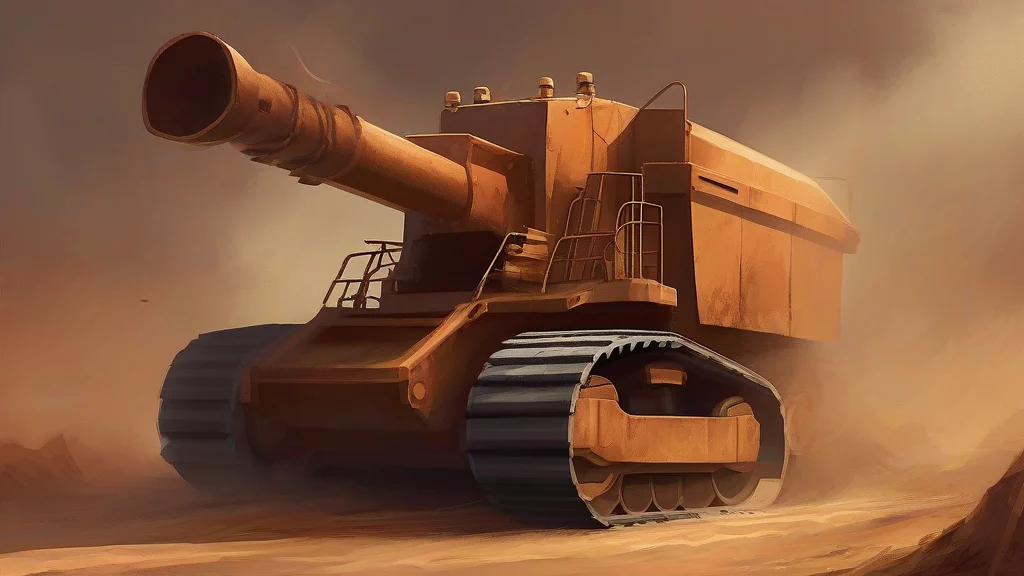
What does juggernaut mean?
Juggernaut originally referred to an enormous heavy vehicle, particularly a great chariot associated with the Hindu deity Jagannath and with military power in India. In modern English, its dominant meaning is figurative: a person, organization, movement, or force so powerful or relentless that resistance to it seems futile. The word is commonly applied to dominant businesses, political parties, expanding media organizations, sports teams, and ideas that have gained irresistible momentum. Its connotation varies with context. It can convey admiration for decisive and sustained achievement, as when a team becomes a juggernaut and wins consistently. It can also suggest destructive force, commercial domination, or the dangerous concentration of power. Although especially associated with British and American English, the word is now used internationally. Its vivid history and forceful metaphor make it especially useful for describing power that cannot be easily checked.
nounA person, organization, thing, or force that is so powerful or determined that it cannot easily be stopped or opposed. The word can also refer, historically, to an enormous heavy vehicle or chariot.
- A person, organization, movement, or thing whose power or momentum is virtually impossible to resist or stop.
- Historically, an enormous, heavy chariot or similar vehicle.
"With three consecutive championships, the team had become an unstoppable juggernaut."
"The young corporation grew into a media juggernaut within a decade."
"The novel describes a vast juggernaut bearing the royal regalia through the city."
The plural is used when referring to multiple powerful people, organizations, forces, or developments.
"Several corporate juggernauts dominated the market throughout the decade."
A word for an unstoppable force that began as a real giant chariot rolling through the streets of India.
Reviewed by Deb Chak, Editor. AI-assisted content curated by RJS Tech Solutions LLP.
Where does juggernaut come from?
The English word comes through Hindi from the name Jagannāth, an epithet for the deity Vishnu. The underlying Sanskrit jagannātha means “lord of the world” and refers ultimately to a form of the deity worshipped at Puri in present-day Odisha. English writers applied the name in the early seventeenth century to enormous chariots and forces capable of crushing opposition, from which the modern figurative sense developed.
Related word forms
How juggernaut is actually used
The modern sense is mainly figurative and appears especially in journalism, political commentary, business reporting, and literary contexts. It can be approving when it describes sustained success or momentum, but it may imply ruthlessness, excessive power, or a threat to smaller competitors.
Easily confused with juggernaut
A juggler performs feats of dexterity with objects, whereas a juggernaut is a powerful person or force that overwhelms opposition.