
What does keeled mean?
Keeled describes something that has a keel: a ship or boat with a central structural ridge along its underside, or an animal or object with a similar projecting edge. The term is especially common in nautical and technical descriptions, such as “keeled hull” and “keeled vessel,” where it identifies a vessel designed with a prominent central keel. It can also describe a biological form featuring a ridge or keel-like structure. In older or more literary usage, “keeled” may be the past tense or past participle of “keel,” meaning to form or provide with a keel. The word is useful when precision matters because it distinguishes a keel-equipped vessel or structure from one without such a ridge.
Having a keel, especially a ridge along the underside of a ship or boat.
"The keeled vessel was built to withstand rough seas."
In biology, it can also mean having a prominent ridge-like projection.
The past tense and past participle of “keel,” meaning to form or provide with a keel.
"The ship was keeled before the launch."
This inflected form is relatively uncommon in modern general usage and is chiefly used in nautical or historical writing.
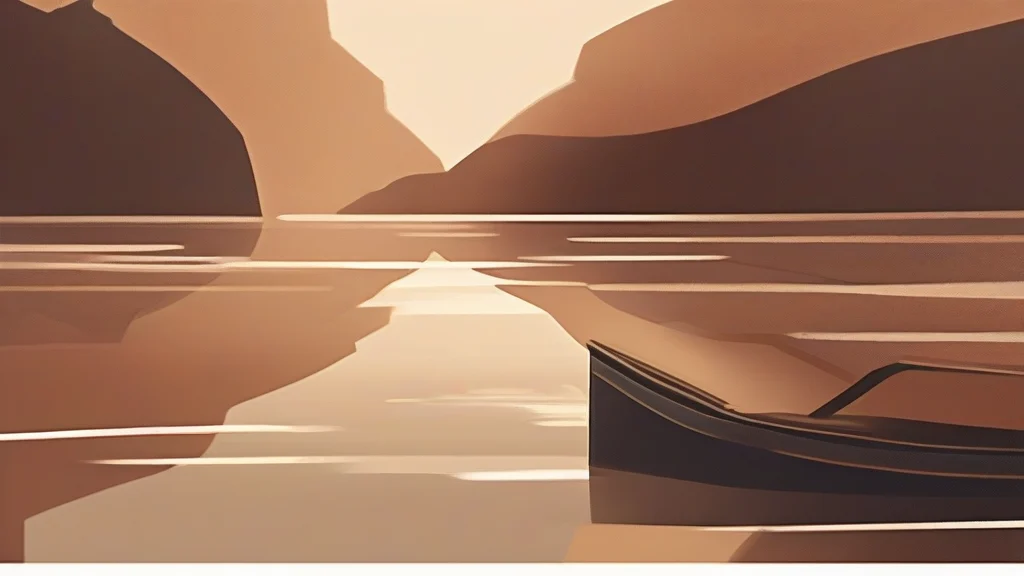
A keeled boat carries a central ridge that helps it balance in the water, turning the keel into both an engineering feature and a nautical signature.
Reviewed by Deb Chak, Editor. AI-assisted content curated by RJS Tech Solutions LLP.
Etymology of keeled
The word “keeled” derives from the English word “keel,” which comes from Old English cēol, referring to the central structural part of a ship. The suffix “-ed” forms the adjective and the past tense and past participle of the verb. The related English word “keelson” also belongs to the nautical vocabulary and refers to an internal supporting beam running above the keel.
Related word forms
How keeled is actually used
When used as a verb form, “keeled” is generally literary or technical and may sound more natural in descriptions of ships than in everyday speech. The adjective can also describe a body or object with a ridge-like feature, depending on context.