
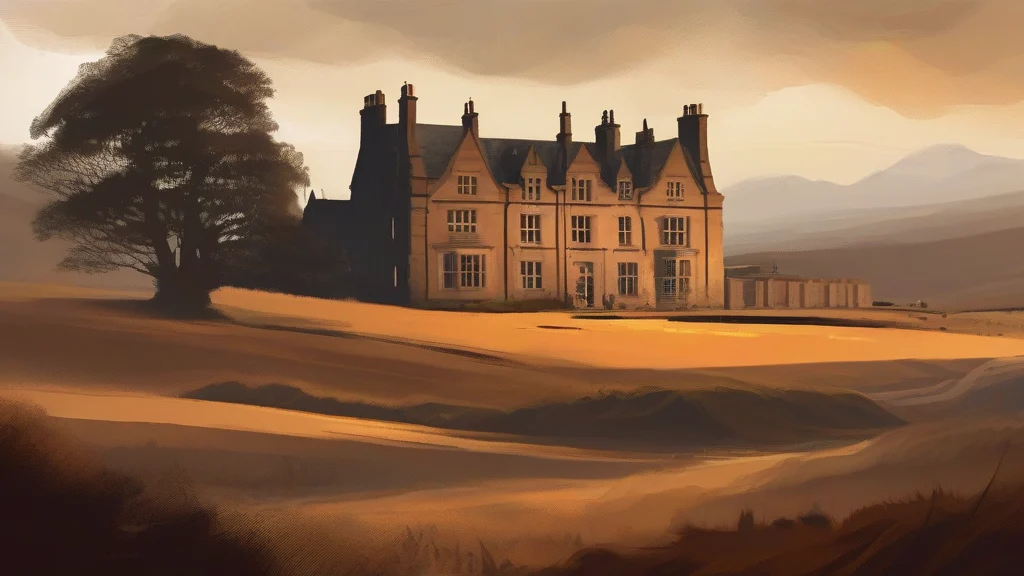
What does laird mean?
A laird is a landowner, especially in Scotland, where the term often refers to the owner of a substantial estate or a historically prominent property. It carries a distinctly Scottish association and may suggest tradition, authority, and a connection with an ancestral estate. In modern writing, “laird” can be used more broadly for a landed proprietor, while humorous usage may describe someone who behaves as if they own the surroundings. The word is often encountered in historical novels, place names, and accounts of Scottish estates. Although it often overlaps with “landowner” and “landed proprietor,” it can imply a distinctive local status that those general terms do not convey.
A Scottish landowner, especially one who owns a landed estate.
"The laird was regarded as the most influential figure in the parish."
Chiefly Scottish; often carries historical or traditional associations.
A landed proprietor or man of rank, especially in historical or figurative contexts.
"The author paints the laird as a commanding and somewhat imposing figure."
This broader use is somewhat literary, archaic, or humorous in contemporary usage.
The regular plural is “lairds.”
"Several lairds from the surrounding districts attended the gathering."
In its original Scottish sense, “laird” identifies not merely a rich person, but someone whose status comes from owning land.
Reviewed by Deb Chak, Editor. AI-assisted content curated by RJS Tech Solutions LLP.
Where does laird come from?
The word comes from Scots, where it developed from an older form associated with Old English hlǣford, meaning “lord” and literally referring to a high or elevated guardian. English “lord” belongs to the same broad Germanic etymological family, while related forms such as “lady” and “landlord” preserve comparable elements. The Scottish word became established especially in the sense of a landowner with a recognized position in the local community.
Related word forms
How laird is actually used
The word is chiefly Scottish and may sound formal, historical, or literary in modern English. It can also be used jokingly for a man who behaves as though he owns the place, though that playful sense is less common outside Scotland.
Easily confused with laird
A laird is a landowner, whereas a lair is a place where a wild animal rests or gives birth.