
What does landform mean?
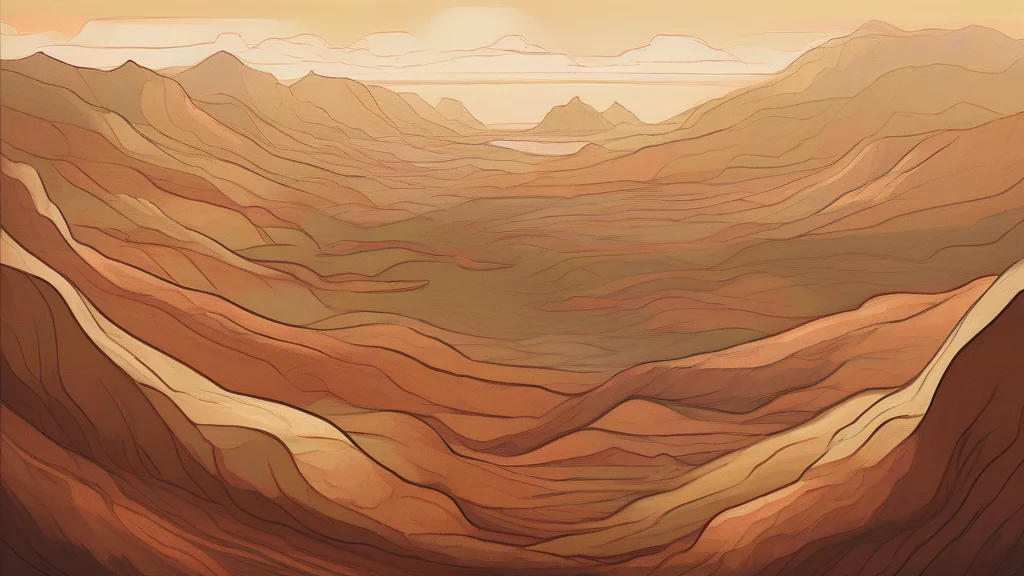
A landform is a distinct natural feature of the Earth's surface, such as a mountain, plateau, valley, basin, dune, or canyon. The word is especially associated with geology and geomorphology, where it describes physical forms produced or reshaped by processes such as erosion, deposition, uplift, glaciation, and flowing water. Although some landforms may be modified by human activity, the term primarily refers to features governed by natural forces and the shape of the land itself. In broader writing, "landform" is useful when a more precise term is unavailable or when several related features are being discussed as a group. It has a formal, analytical connotation and can refer to major features as well as smaller formations. Distinguishing a landform from terrain or landscape is useful: a landform is an individual geomorphic feature, terrain describes the physical character of an area, and landscape encompasses an area's overall visible appearance.
nounA landform is a naturally occurring feature of the Earth's surface, such as a mountain, hill, valley, plateau, basin, or dune. The term is used especially in geology, geography, and geomorphology to describe distinct physical shapes formed or modified by natural processes.
- A distinct natural feature of the Earth's solid surface, especially one shaped or modified by geological processes.
"The plateau is a prominent landform that shapes the climate and drainage of the entire region."
"Glaciers carved many of the dramatic landforms visible across the island."
"The course explains how erosion can transform one landform into another over time."
The standard plural is "landforms," used for individual features or as a collective count.
"The survey identified several unusual landforms along the western coast."
Every valley, dune, and mountain is a page in Earth's long geological history.
Reviewed by Deb Chak, Editor. AI-assisted content curated by RJS Tech Solutions LLP.
Where does landform come from?
Landform is a modern English compound formed from land and form. The word form comes through Old French from Latin forma, meaning "shape" or "mold," while land has Germanic origins and is related to Dutch land and German Land. In this compound, form has been specialized to denote the physical configuration of a feature on the Earth's surface.
Related word forms
How landform is actually used
This is primarily a technical noun used in geology, geomorphology, geography, and related environmental sciences. In general writing, it may be used for recognizable natural features of the land, but it usually carries a more formal and analytical tone than ordinary expressions such as "hill" or "valley."
Easily confused with landform
A landform is an individual natural feature of the Earth's surface, whereas terrain refers more broadly to the physical character of a region or stretch of land.
A landform is a specific geomorphic feature, while a landscape encompasses an area together with its visible features and overall appearance.