
What does leafless mean?
Leafless means without leaves, most often describing a tree, branch, or landscape in which the foliage has fallen or never developed. The word can also be used figuratively for something barren, lacking vegetation, growth, or vitality. It is especially evocative in descriptions of winter, late autumn, drought, and damaged or deforested areas because it emphasizes the exposed structure of trees and the stark appearance of the land. While leafless can simply be an objective observation, it often carries a slightly poetic or melancholy association. In everyday use, it is more specific than bare and more visually descriptive than stripped, and it contrasts naturally with leafy, verdant, and foliate.
Having no leaves; bare of foliage.
"The leafless woodland was carpeted with damp brown leaves."
The literal sense is most common for trees, branches, and woodland.
Lacking vegetation, growth, or vitality; barren.
"The abandoned garden looked leafless and lifeless."
Figurative uses are common in literary and descriptive writing.
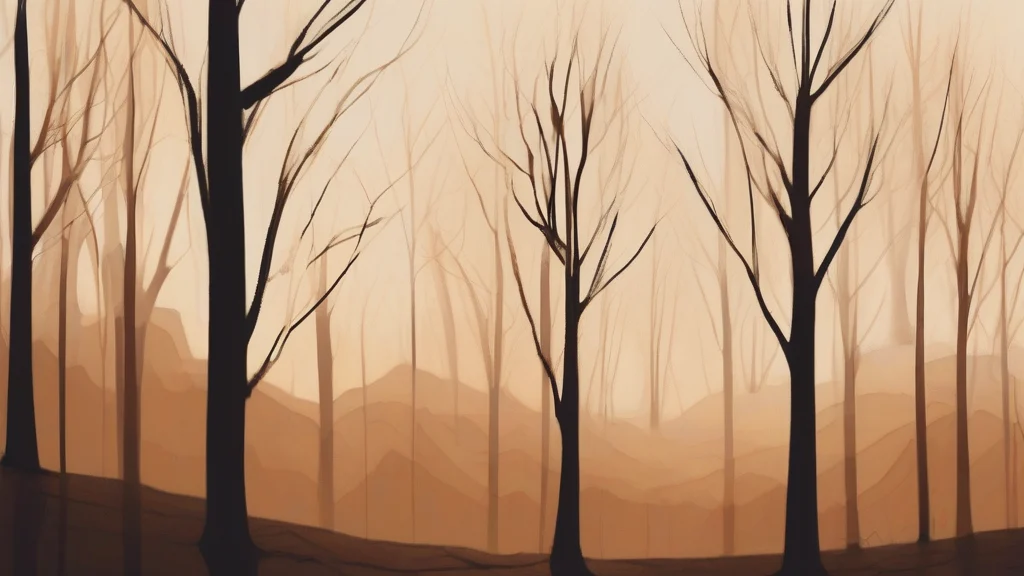
Leafless does more than describe winter: it captures the striking bare silhouette of a tree after its leaves have fallen.
Reviewed by Deb Chak, Editor. AI-assisted content curated by RJS Tech Solutions LLP.
Where does leafless come from?
Leafless was formed in the 17th century from the noun leaf and the suffix -less, meaning “without.” The suffix comes from Old English -lēas, which expressed absence or lack and survives in words such as hopeless and countless. The base leaf itself is an Old English word, and related forms such as leafy, foliage, and defoliate continue the older Indo-European root associated with leaves.
Related word forms
How leafless is actually used
Commonly used for trees and branches, especially in autumn and winter. Figurative uses emphasize barrenness or emotional bleakness, often with a literary or descriptive tone.