
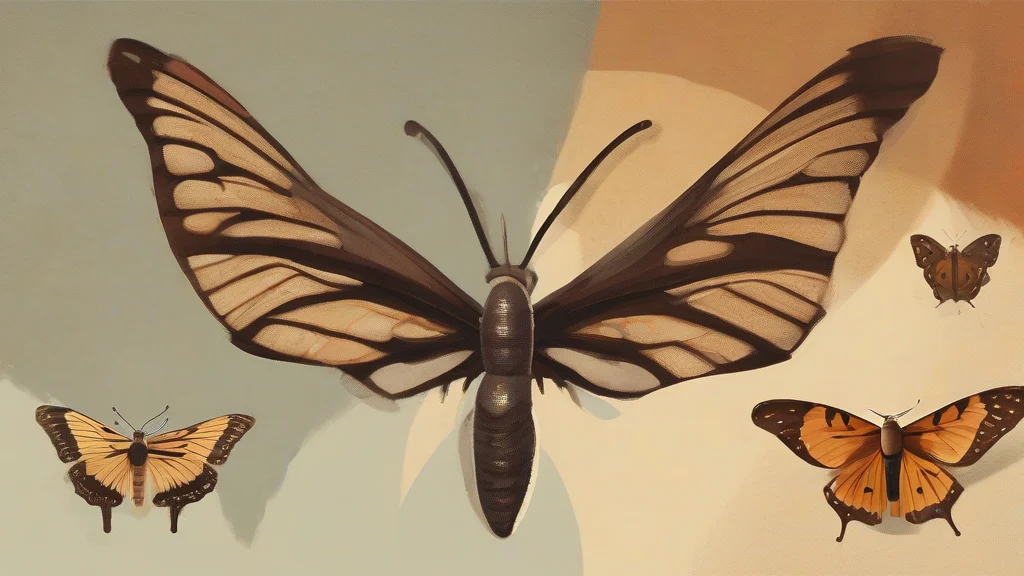
What does lepidopterology mean?
Lepidopterology is the scientific study of butterflies and moths, the insect order known as Lepidoptera. As a branch of entomology, it encompasses the classification, evolution, anatomy, distribution, ecology, and behavior of these insects. The term is used mainly in academic research, museum collections, conservation programs, and university courses. Lepidopterology also draws on approaches from systematics, ecology, evolutionary biology, and biogeography to understand the extraordinary variety and adaptability of butterflies and moths. Although highly specialized, it is accessible to anyone interested in insects and offers a way to explore broader questions about biodiversity, environmental change, and evolutionary patterns. The name reflects the order's characteristic wing scales and connects the field with the wider scientific tradition of naming and studying living organisms.
nounThe scientific study of butterflies and moths, including their classification, evolution, anatomy, behavior, ecology, and distribution.
- The scientific study of butterflies and moths.
"Her research in lepidopterology has clarified the migration patterns of several species of monarch butterfly."
"The museum's lepidopterology collection includes specimens collected across the Pacific over more than a century."
"A course in lepidopterology introduces students to the classification and evolutionary biology of Lepidoptera."
Uncommon. Used when distinguishing separate scholarly traditions, regional schools, or comparative fields of study.
"Her courses cover both classical and molecular lepidopterologies."
Butterflies and moths wear tiny scales on their wings—and lepidopterology is the science devoted to studying them.
Reviewed by Deb Chak, Editor. AI-assisted content curated by RJS Tech Solutions LLP.
Where does lepidopterology come from?
Lepidopterology was formed from the taxonomic name Lepidoptera and the Greek-derived suffix -logy, meaning the study of a subject. Lepidoptera itself combines Greek roots for “scale” and “wing,” referring to the scales covering the wings of butterflies and moths. The same root appears in related terms such as lepidopterist, lepidopteran, and lepidopterous.
Related word forms
How lepidopterology is actually used
A specialized, chiefly formal term used in academic, museum, and natural-history contexts. The plural is uncommon and is chiefly useful when distinguishing different schools, traditions, or regional approaches within the field.
Easily confused with lepidopterology
Lepidopterology is the scientific study of butterflies and moths, whereas a lepidopterist is a person who studies them.