What does limewash mean?
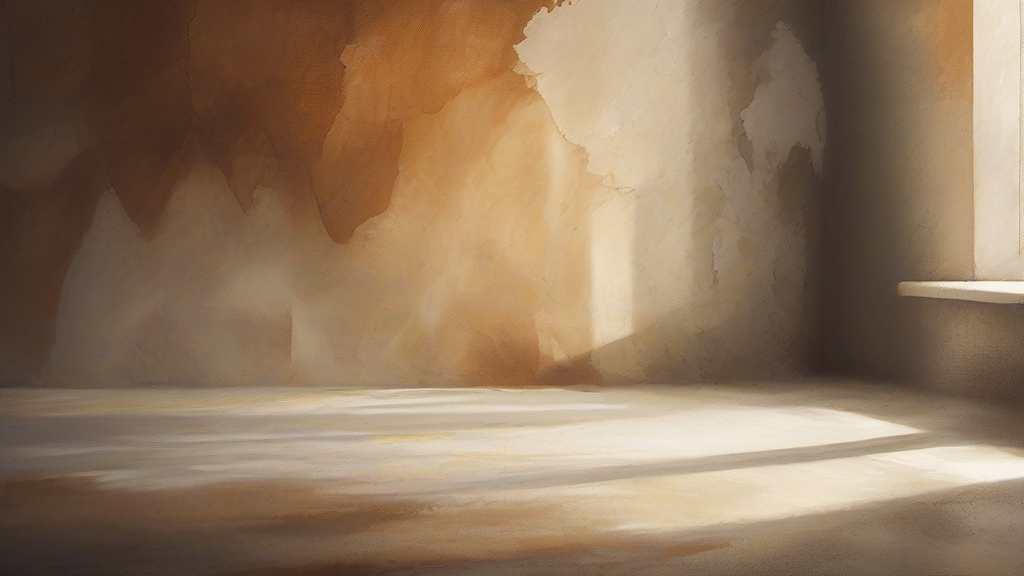
Limewash is a mixture of slaked lime and water, used as a coating for walls and other surfaces. It is often applied in a thin, whitewashed layer to protect the surface from the elements. Limewash can be used on a variety of surfaces, including stone, wood, and plaster, and is often used to create a soft, matte finish. The artist may use limewash to create a textured, abstract effect on her canvas. Limewash has been used for centuries, and is still a popular choice for those looking for a natural, eco-friendly alternative to traditional paints. In addition to its practical uses, limewash has also been used as a decorative element in architecture and art. Overall, limewash is a versatile and useful substance that has a wide range of applications.
nounA mixture of slaked lime and water, used as a coating for walls and other surfaces, often in a thin, whitewashed layer.
- A mixture of slaked lime and water, used as a coating for walls and other surfaces.
"The old stone cottage had been limewashed to protect it from the elements."
"The old stone cottage had been limewashed to protect it from the elements."
"The artist used limewash to create a textured, abstract effect on her canvas."
Reviewed by Deb Chak, Editor. AI-assisted content curated by RJS Tech Solutions LLP.
Etymology of limewash
The word 'limewash' is derived from the Old English words 'lim' and 'wæsc', meaning 'lime' and 'wash' respectively. The term has been in use since the 15th century, and has been used to describe a variety of mixtures of lime and water over the years.
How limewash is actually used
Limewash is often used to create a soft, matte finish, and can be used on a variety of surfaces, including stone, wood, and plaster.