
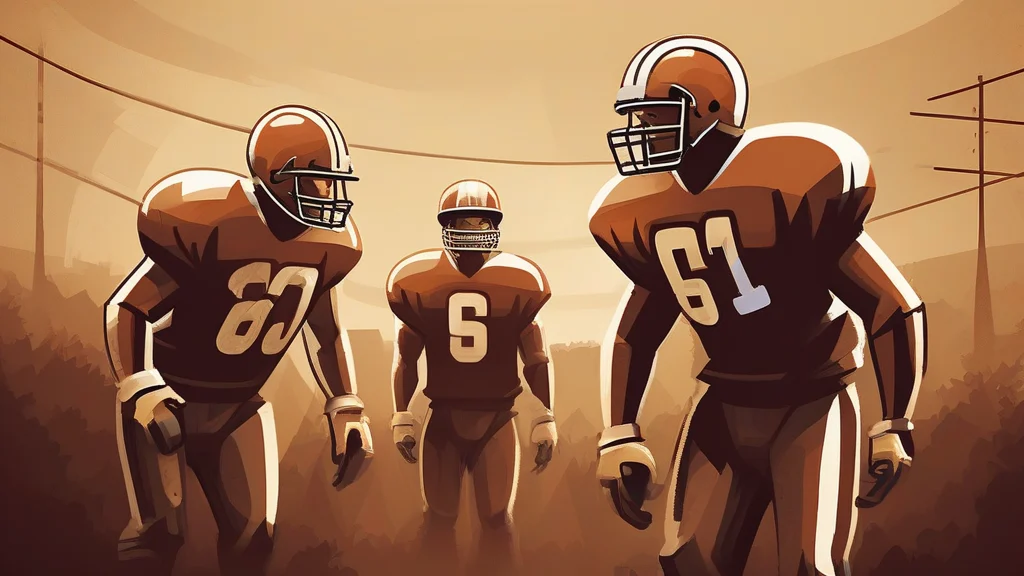
What does linemen mean?
Linemen is the standard plural of lineman and most often refers, especially in North American football, to the offensive and defensive players who form the lines at the scrimmage. It can also denote workers who install, inspect, or repair telephone, telegraph, electrical, or railway lines. The word therefore carries two broad kinds of association: skilled manual and technical work, and the physical strength and tactical importance of football linemen. In British usage, football is more often described in terms of "players," while "linemen" remains understandable, particularly for the older industrial occupations. Because "linemen" is plural, it normally requires a plural verb or reference, as in "the linemen are warming up." The singular "lineman" identifies one worker or player. Although the football sense now dominates in many contemporary contexts, the occupational sense preserves the word's literal history: people whose work involved maintaining the lines that carried communication, power, or rail traffic.
nounThe plural of lineman. It may refer collectively to football players occupying the offensive or defensive line, or to workers who install and maintain railway, telephone, telegraph, or electrical lines.
- Football players who occupy positions in the offensive or defensive line.
- Workers who install, inspect, or maintain telephone, telegraph, electrical, or railway lines.
- Railway employees whose work involved maintaining the track.
"The offensive linemen protected the quarterback throughout the second half."
"The defensive linemen collapsed toward the runner and brought him down short of the goal line."
"Telephone linemen worked in all weather to repair lines damaged by storms."
Linemen is the regular plural of lineman; use the singular lineman when referring to one player or worker.
"Two linemen shared the tackle."
Before the football field claimed the word, linemen kept communications and railway lines in service; today, their most famous role is protecting a quarterback.
Reviewed by Deb Chak, Editor. AI-assisted content curated by RJS Tech Solutions LLP.
Where does linemen come from?
Lineman is an English compound of line and man, and the plural linemen follows the regular -men pattern. Its occupational senses developed from earlier uses for people who worked with railway and communications lines, while its now-familiar football sense arose later as organized formations of players became central to the sport. The element line comes through Middle English and Old French from Latin linea, while man descends from Old English mann; lineal, linear, and lineage reflect the same Latin root.
Related word forms
How linemen is actually used
The football sense is especially frequent in North America; British speakers more often say "players" or use specific position names. The occupational senses are not restricted by gender, although the historical form of the word assumes a male worker.
Easily confused with linemen
Linemen are football players who form the offensive and defensive lines, whereas linesmen are the officials who judge certain plays and ball boundaries.